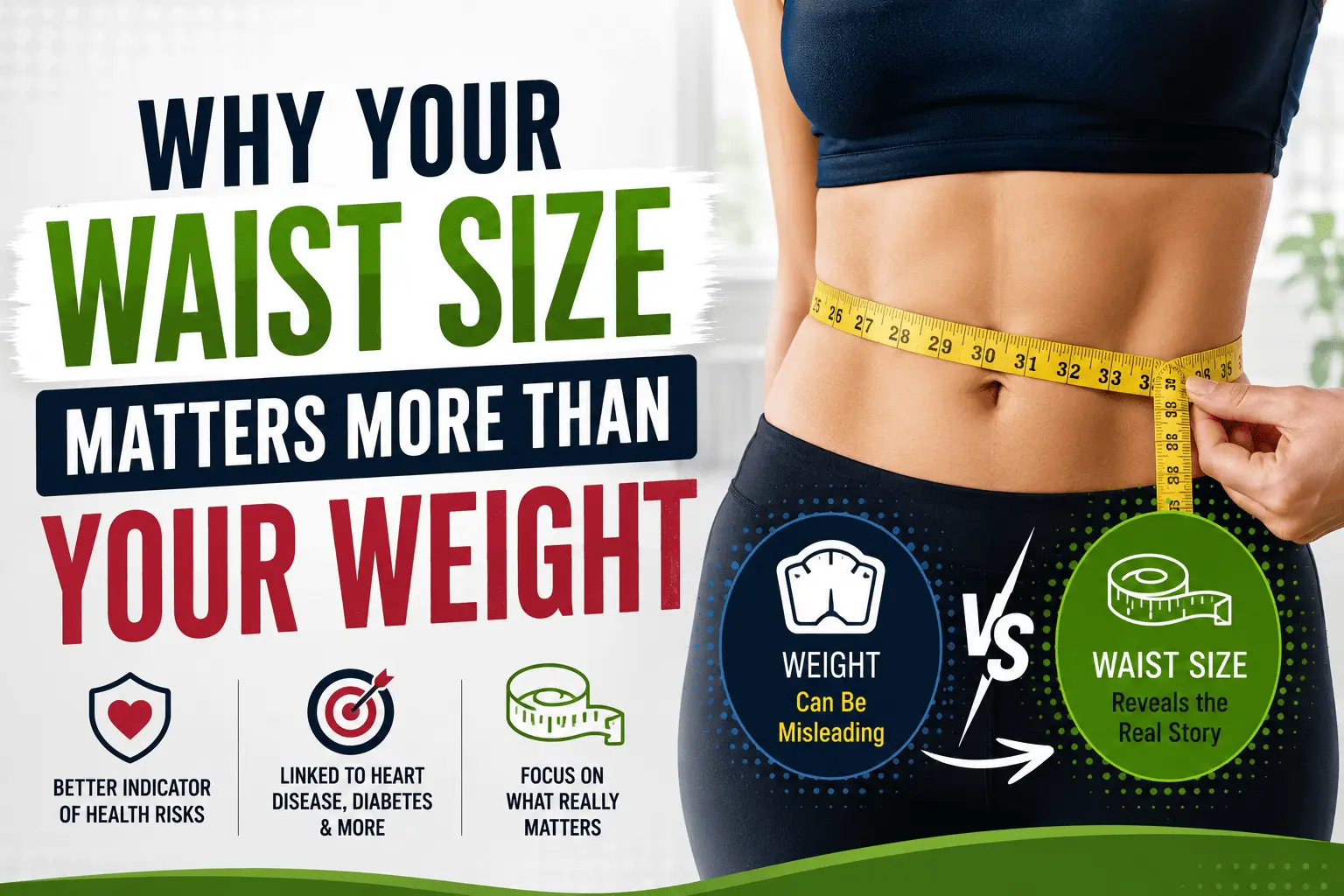
Why Your Waist Size Matters More Than Your Weight
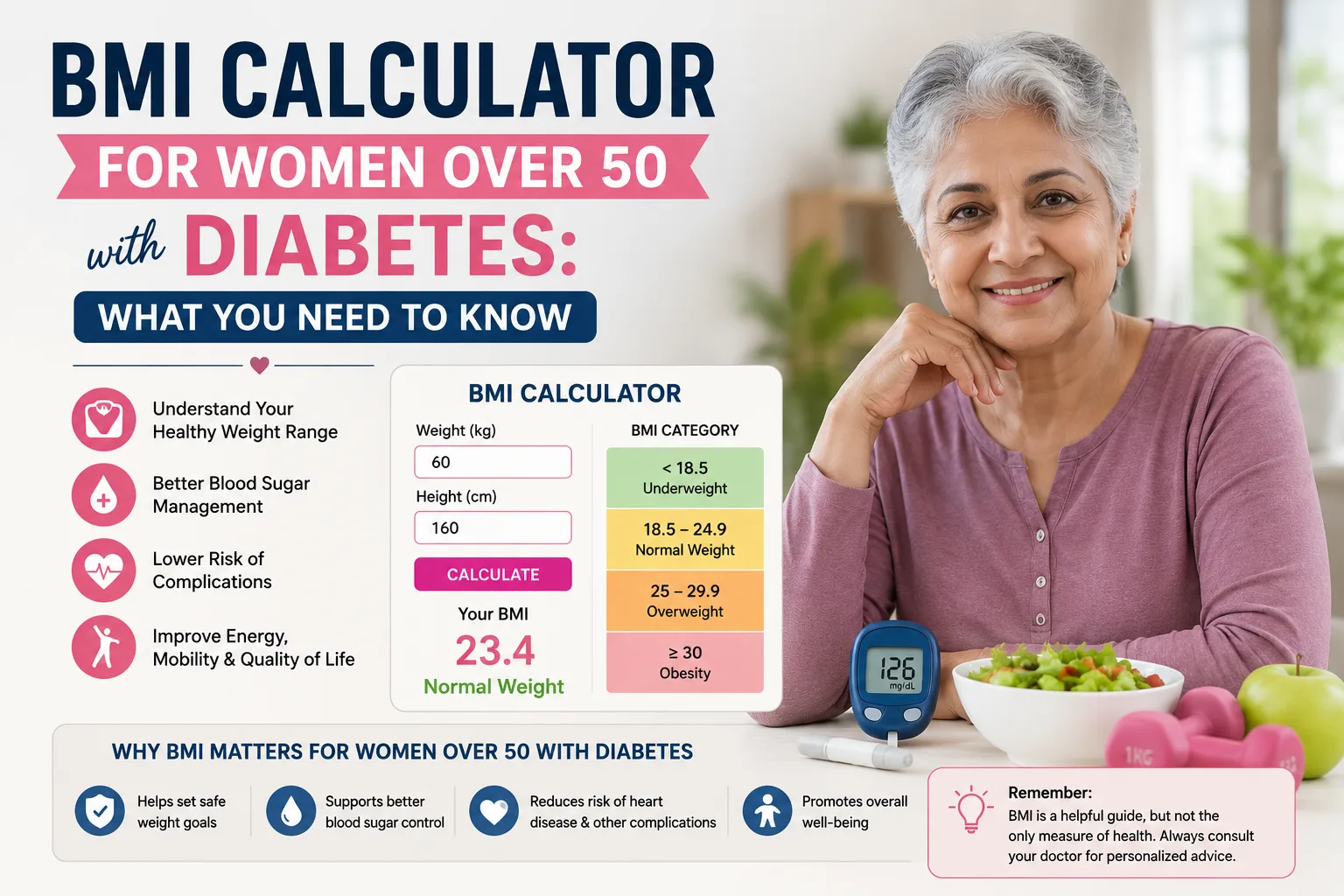
BMI Calculator
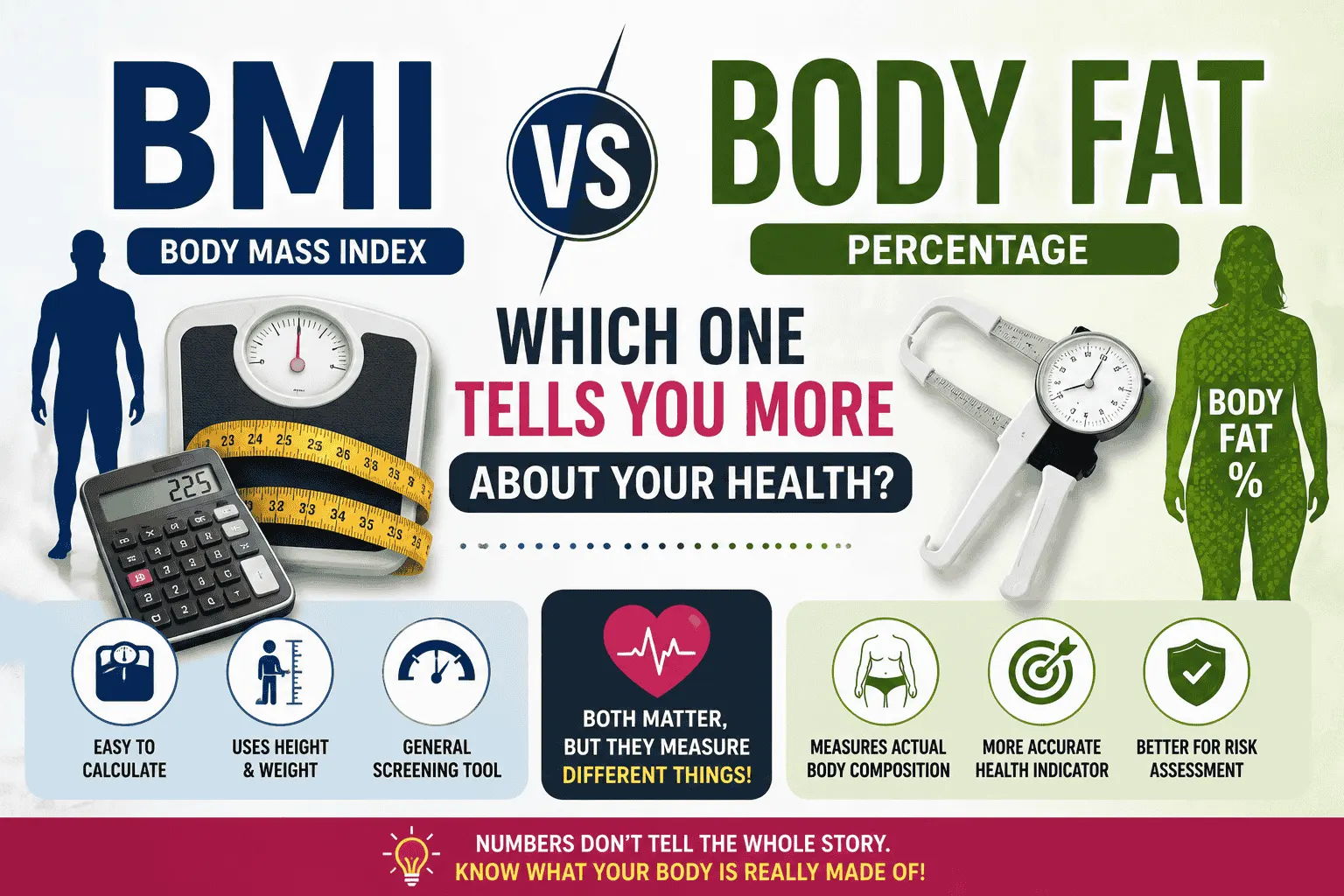
Calculate Your BMIYou step on the scale. The number is fine. Your BMI is normal. You think you're healthy.
But your waist is getting bigger. Your pants are tighter. And you have no idea that the fat inside your belly is slowly damaging your organs.
This is visceral fat — the most dangerous fat in your body. And it's something your scale cannot measure.
Measure Your Visceral Fat Risk
Calculate Your Waist-to-Height RatioWhat is Visceral Fat?
There are two types of fat in your body:
- Subcutaneous fat: The fat under your skin. You can pinch it. This fat is relatively harmless.
- Visceral fat: The fat wrapped around your internal organs — your liver, pancreas, intestines, and heart. This fat is highly dangerous.
Visceral fat is not visible from the outside. You cannot pinch it. A person can have a flat stomach and still have dangerous levels of visceral fat. This condition is called "TOFI" — Thin Outside, Fat Inside.
Why Visceral Fat is So Dangerous
1. It Releases Inflammatory Chemicals
Visceral fat produces pro-inflammatory cytokines that travel throughout your body, causing chronic low-grade inflammation. This inflammation is linked to nearly every chronic disease.
2. It Causes Insulin Resistance
Visceral fat interferes with insulin signaling, making it harder for your body to control blood sugar. This increases your risk of prediabetes and type 2 diabetes.
3. It Damages Your Liver
Visceral fat releases free fatty acids that travel directly to your liver, contributing to non-alcoholic fatty liver disease (NAFLD), which affects 25% of adults worldwide.
4. It Raises Blood Pressure
Visceral fat produces hormones and other substances that raise blood pressure, increase blood clotting, and promote arterial plaque formation.
5. It Increases Cancer Risk
Research shows visceral fat increases the risk of breast cancer, colon cancer, endometrial cancer, and pancreatic cancer.
| Disease | Risk Increase with Visceral Fat |
|---|---|
| Type 2 Diabetes | 7x higher |
| Heart Disease | 2x higher |
| Stroke | 1.5x higher |
| Sleep Apnea | 5x higher |
| Certain Cancers | 1.5-3x higher |
Know Your Visceral Fat Risk
BMI + Waist CalculatorHow to Know If You Have Visceral Fat
You cannot see visceral fat. You cannot feel it. The only practical way to assess it is by measuring your waist circumference.
Healthy Waist Measurements:
- Women: Less than 80 cm (31.5 inches)
- Men: Less than 94 cm (37 inches)
- Waist-to-Height Ratio: Less than 0.5 for everyone
Waist-to-Height Ratio (WHtR) Rule: Your waist should be less than half your height.
Example: A woman who is 5'4" (64 inches) should have a waist less than 32 inches.
How to Measure Your Waist Correctly
- Find the correct location: Midpoint between your lowest rib and the top of your hip bone — NOT your belly button.
- Stand upright: Feet shoulder-width apart, weight evenly distributed.
- Use a flexible tape: Not a metal tape measure.
- Keep tape horizontal: Parallel to the floor all the way around.
- Snug but not tight: You should be able to slip one finger between tape and skin.
- Relax and exhale: Do NOT suck in your stomach.
- Record to nearest 0.5 cm or 1/4 inch.
The Visceral Fat Paradox: You Can Be Normal Weight But High Risk
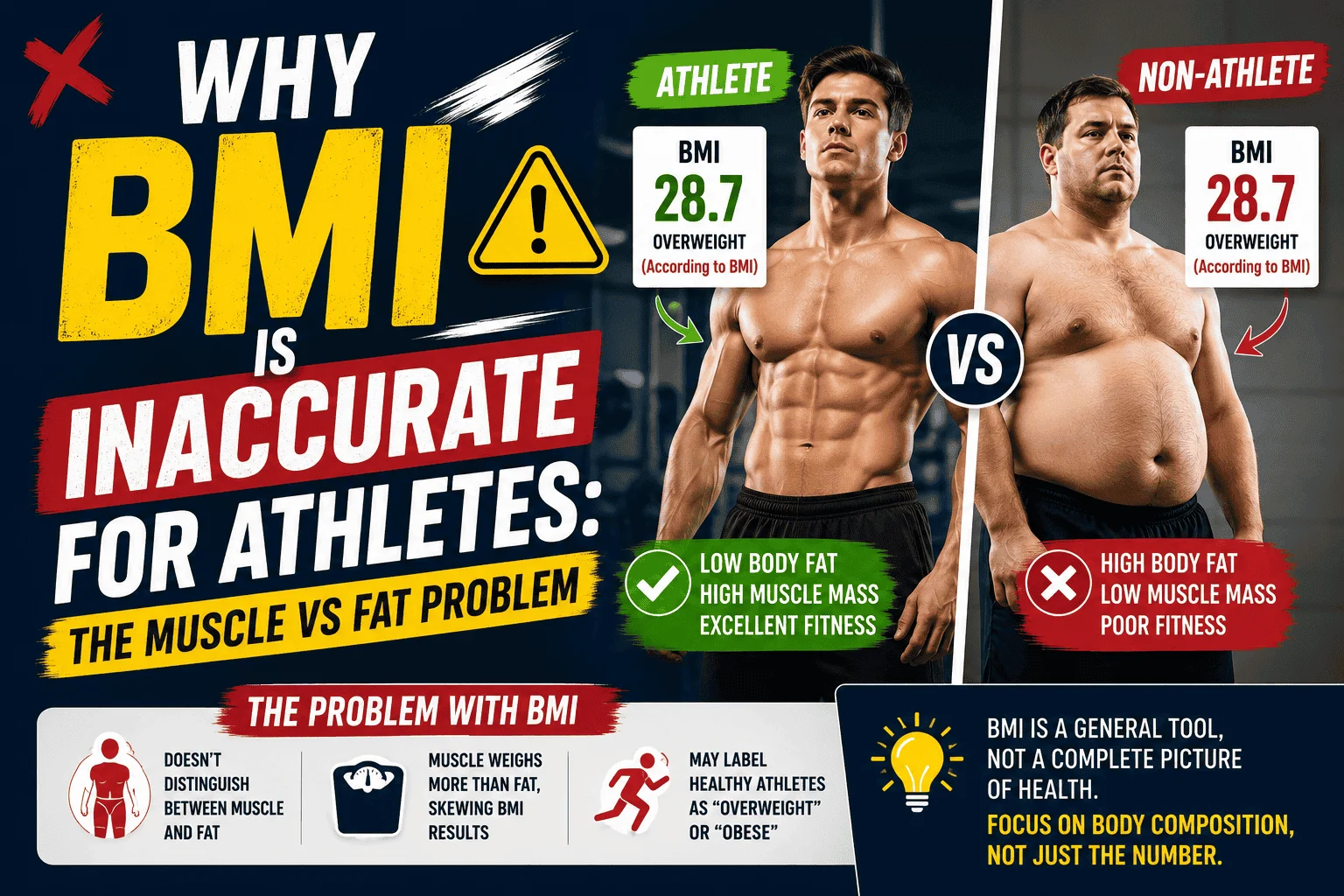
Research shows that up to 30% of people with normal BMI have dangerous levels of visceral fat. This is called "normal weight obesity" or TOFI (Thin Outside, Fat Inside).
Example:
- Woman A: Height 165 cm, Weight 62 kg, BMI 22.8 (Normal)
- Waist: 82 cm (High risk!)
- Despite normal BMI, she has excess visceral fat and is at increased risk for diabetes and heart disease.
This is why waist measurement is more important than weight for predicting health risks.
How to Reduce Visceral Fat
The good news: Visceral fat is often the first fat to go when you start making healthy changes.
1. Walk 30 Minutes Daily
Walking is the most effective exercise for reducing visceral fat. A 30-minute brisk walk burns 150-200 calories and reduces stress hormones that cause belly fat storage.
2. Add Strength Training 2-3 Times Weekly
Building muscle boosts your metabolism and improves insulin sensitivity — directly targeting visceral fat.
Home exercises: Squats, lunges, push-ups, planks, resistance bands.
3. Reduce Added Sugars
Sugar is the #1 contributor to visceral fat. Excess fructose is directly converted to fat in your liver — and that fat often ends up around your belly.
4. Eat More Fiber
Fiber slows digestion and improves insulin sensitivity. Aim for 30-35g daily from vegetables, fruits, beans, and whole grains.
5. Get 7-8 Hours of Sleep
Sleep deprivation increases cortisol, which directly causes visceral fat storage. Poor sleep also increases hunger hormones by 25%.
6. Manage Stress
Chronic stress raises cortisol, which tells your body to store fat around your belly. Try deep breathing, morning walks, or meditation.
7. Increase Protein Intake
Protein reduces cravings and preserves muscle during weight loss. Aim for 25-30g per meal.
Track Your Visceral Fat Risk
Calculate Your Waist-to-Height RatioSample One-Day Plan to Reduce Visceral Fat
Breakfast (7:00 AM): Greek yogurt with berries and chia seeds
Lunch (12:00 PM): Large salad with grilled chicken, avocado, olive oil dressing
Afternoon snack (3:00 PM): Apple with peanut butter
Dinner (6:00 PM): Baked salmon with roasted broccoli and quinoa
Evening (8:00 PM): Herbal tea
When to See a Doctor
Consult your healthcare provider if:
- Your waist exceeds 80 cm (women) or 94 cm (men)
- Your waist-to-height ratio exceeds 0.5
- You have other risk factors (high blood pressure, diabetes, family history)
- You have a family history of heart disease or diabetes
Frequently Asked Questions
Can I lose visceral fat without losing weight?
Yes. Exercise, especially walking and strength training, reduces visceral fat even if the scale doesn't move. Muscle weighs more than fat, so you may lose inches without losing weight.
How quickly can I reduce visceral fat?
With consistent diet and exercise, most people see measurable visceral fat reduction within 4-8 weeks. Visceral fat often responds faster than subcutaneous fat.
Does age affect visceral fat?
Yes. Visceral fat naturally increases with age, especially after menopause in women and after 40 in men. This is why waist measurement becomes more important as you age.
Is visceral fat genetic?
Partly. Some people are genetically predisposed to store fat viscerally. However, lifestyle changes (diet, exercise, sleep, stress management) can significantly reduce visceral fat regardless of genetics.
Scientific References
- Després, J. P., & Lemieux, I. (2006). Abdominal obesity and metabolic syndrome. Nature, 444(7121), 881-887.
- Neeland, I. J., et al. (2019). Visceral and ectopic fat, atherosclerosis, and cardiometabolic disease. The Lancet Diabetes & Endocrinology, 7(9), 715-725.
- Tchernof, A., & Després, J. P. (2013). Pathophysiology of human visceral obesity: An update. Physiological Reviews, 93(1), 359-404.
Measure Your Visceral Fat Risk
Calculate your waist-to-height ratio and assess your health risk today.
Free Waist Ratio CalculatorKey Takeaways
- Visceral fat is the dangerous fat wrapped around your internal organs
- You cannot see or pinch visceral fat - only waist measurement reveals it
- Healthy waist: women <80cm, men <94cm, WHtR <0.5
- Visceral fat increases diabetes risk by 7x and heart disease by 2x
- Up to 30% of people with normal BMI have dangerous visceral fat (TOFI)
- Walking 30 minutes daily is the most effective exercise for visceral fat
- Strength training 2-3x weekly improves insulin sensitivity and reduces visceral fat
- Sugar is the #1 contributor to visceral fat - reduce added sugars
- Visceral fat is often the first fat to go when you start exercising
- Measure your waist regularly - it predicts health risk better than weight
Check Your BMI
BMI Calculator
You May Also Like