BMI Calculator for Women Over 50 with Diabetes: Need to Know
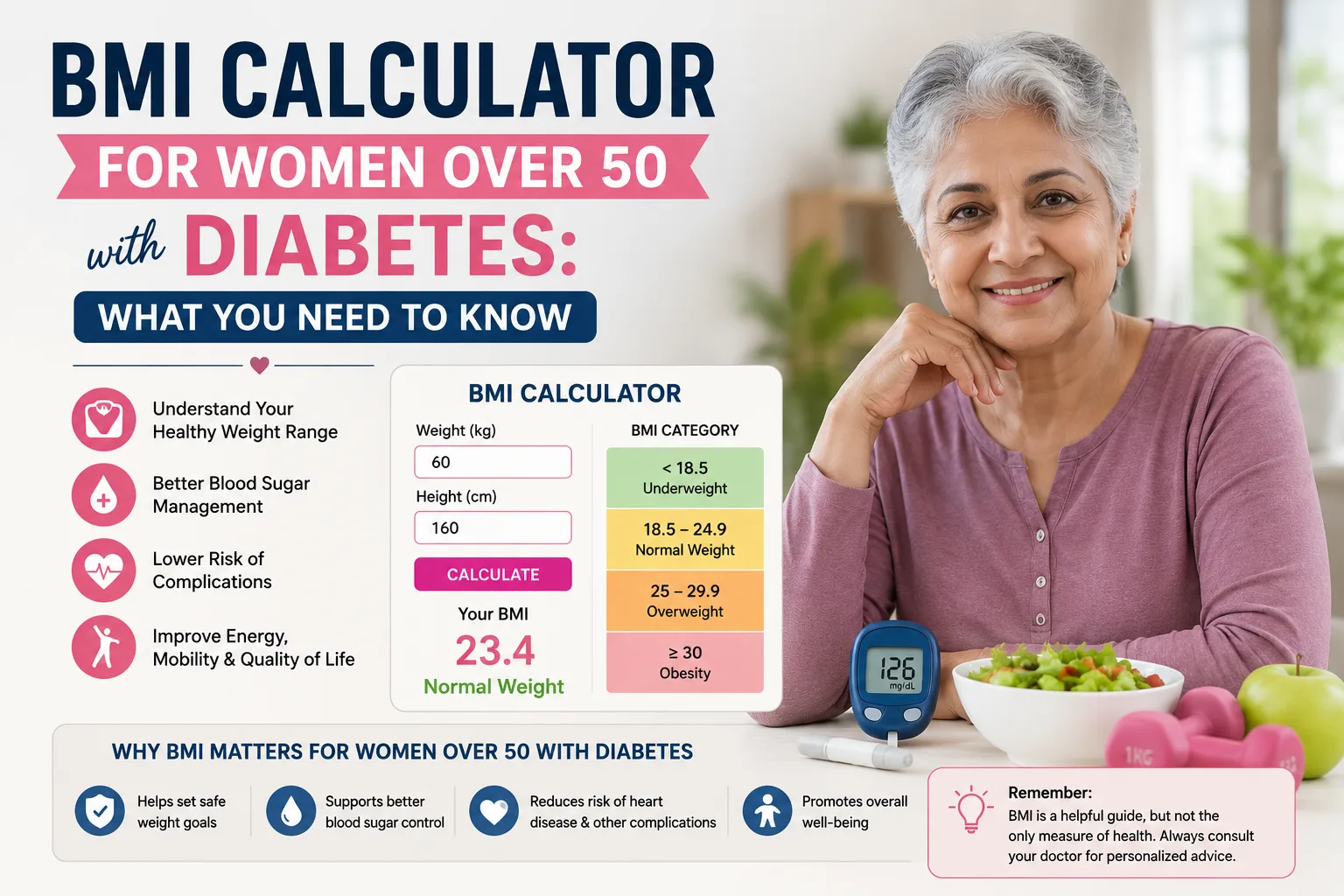
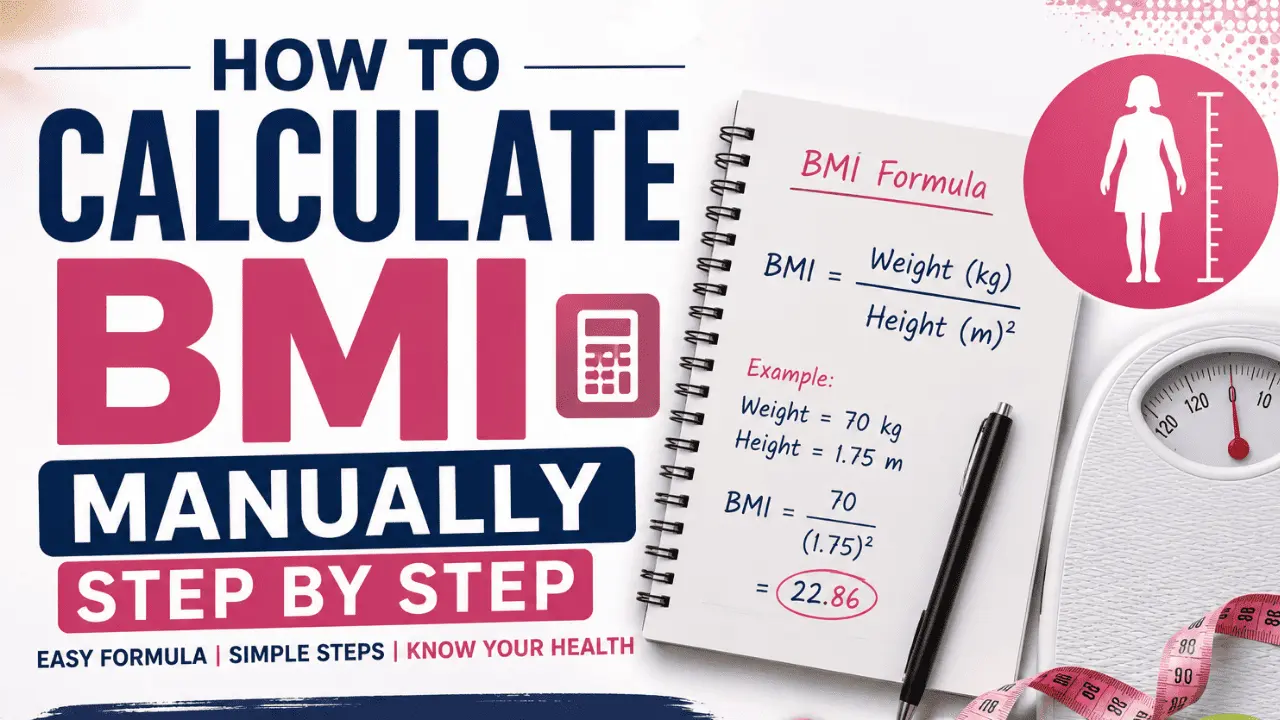
BMI Calculator
Calculate Your BMIIf you're a woman over 50 living with diabetes, you've probably noticed that weight management is harder than it used to be. The scale doesn't move like it did in your 30s. And your blood sugar seems more sensitive to everything you eat.
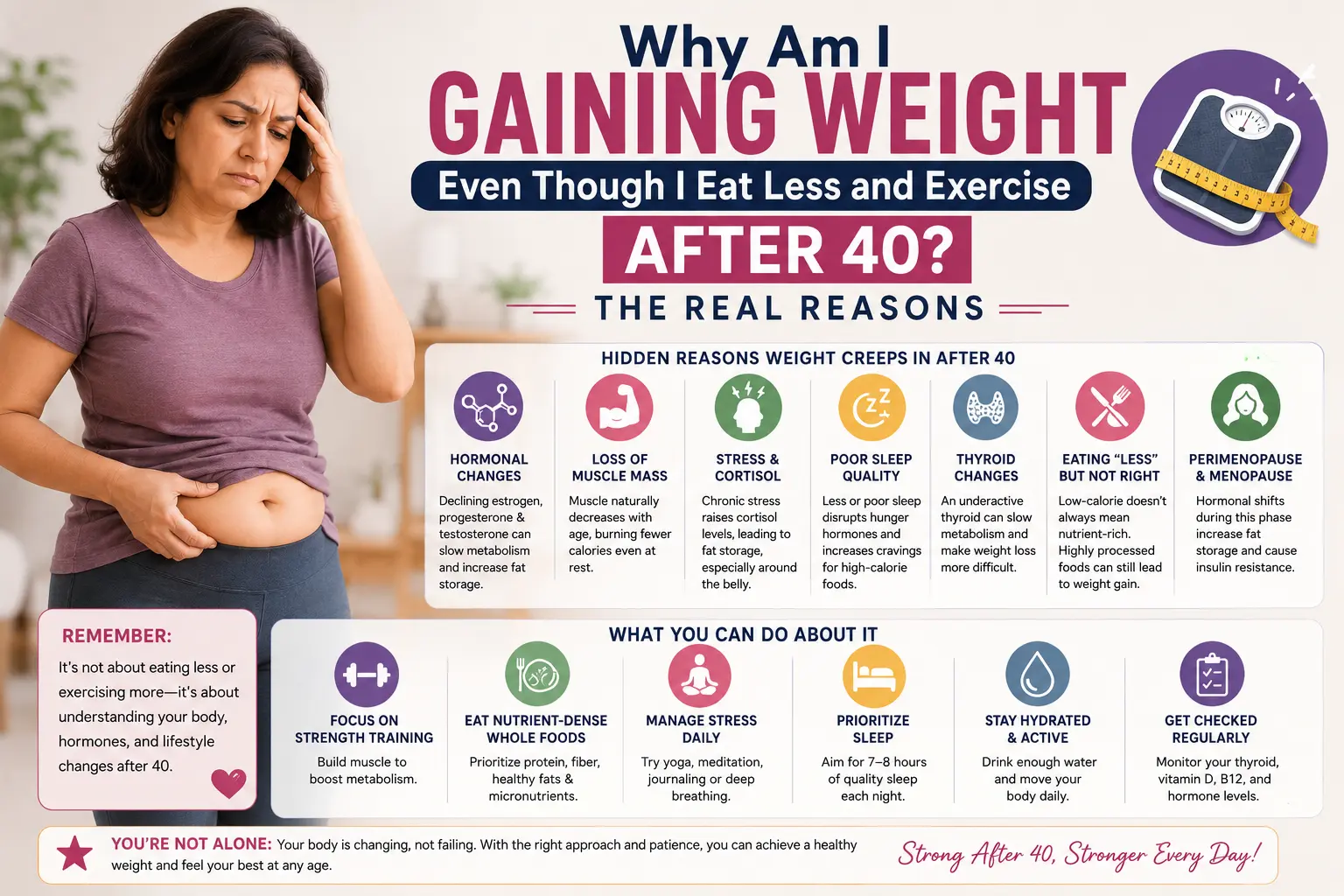
You're not alone. And more importantly, it's not your fault. Hormonal changes, medication effects, and age-related metabolic slowing all play a role.
But here's the good news: small, targeted changes can make a dramatic difference in both your weight and your blood sugar. This guide is specifically for you.
Calculate Your BMI and Blood Sugar Risk
Free BMI CalculatorWhat is a Healthy BMI for Women Over 50 with Diabetes?
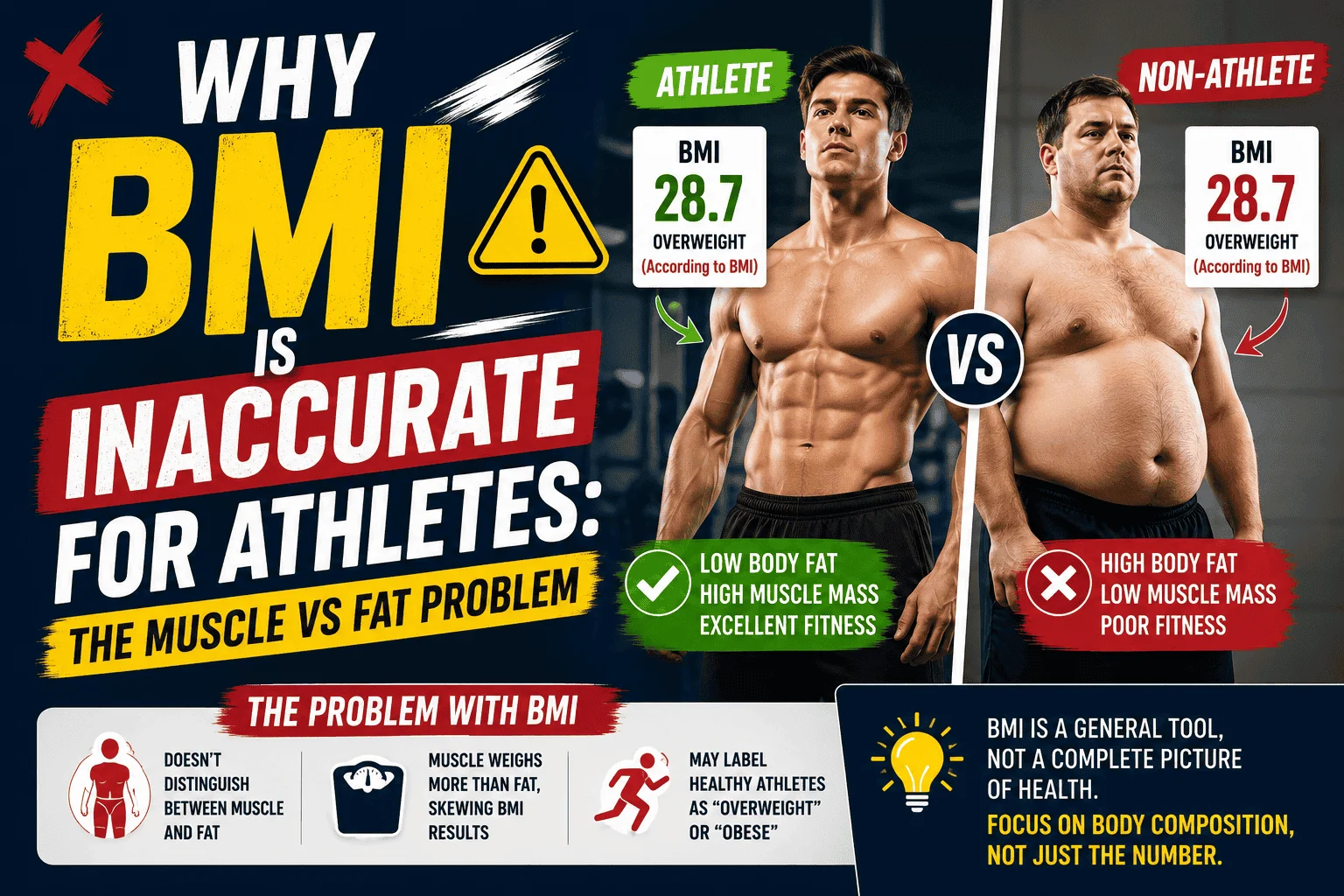
For the general population, a healthy BMI is 18.5-24.9. But for women over 50 with diabetes, the optimal range is different: 23-27.
Why? Research shows that slightly higher BMI is protective for older adults. Having some extra weight provides energy reserves during illness, which is especially important for diabetics who may experience dangerous blood sugar drops during sickness.
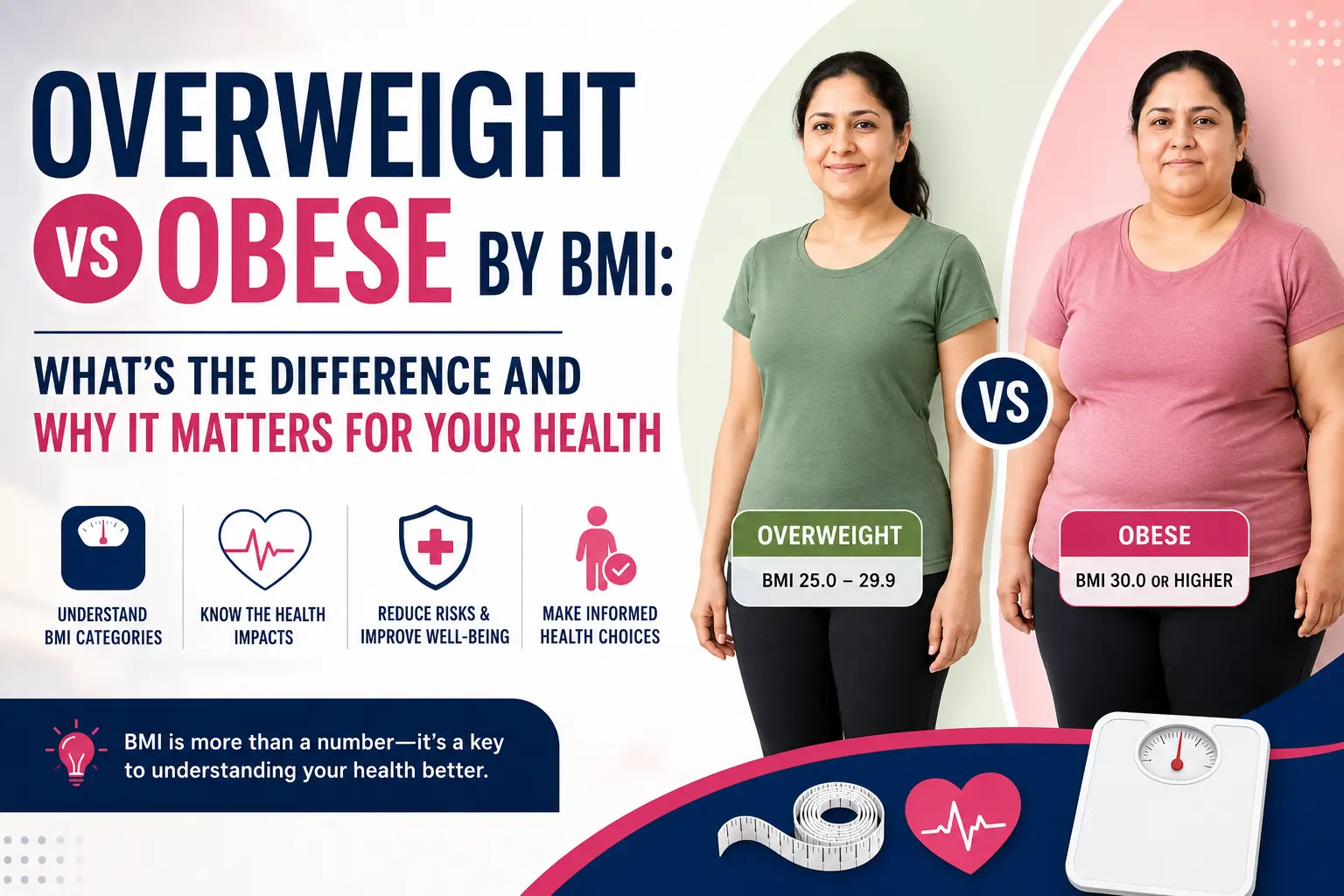
BMI Categories for Diabetic Women Over 50:
| BMI Range | Category | Health Implication for Diabetics |
|---|---|---|
| Below 23 | Underweight | Higher risk of frailty, hypoglycemia, poor illness recovery |
| 23 - 27 | Optimal Range | Best blood sugar control, lower complication risk |
| 27 - 30 | Mild Overweight | Acceptable if active; monitor insulin resistance |
| 30 and above | Obesity | Increased insulin resistance, higher medication needs |
Why Waist Size Matters More Than BMI for Diabetic Women
BMI tells you about your weight. But waist circumference tells you about visceral fat - the fat wrapped around your liver and pancreas. This is the fat that directly affects insulin resistance.
Healthy waist measurement for women over 50: Less than 32 inches (81 cm)
Waist-to-Height Ratio (WHtR): Less than 0.5 - your waist should be less than half your height
Example: At 5'4" (64 inches), your waist should be less than 32 inches.
How Weight Loss Improves Diabetes Control
Research shows that losing just 5-10% of your body weight can:
- Lower your A1c by 0.5-1.0%
- Reduce insulin resistance by 25-30%
- Decrease blood pressure and cholesterol levels
- Reduce medication needs (always under doctor supervision)
- Improve energy and mobility
For a 180 lb woman, 5-10% weight loss means losing just 9-18 lbs. This is achievable within 3-6 months.
Check Your BMI and Waist Ratio
Calculate NowDiabetes-Friendly Weight Management Strategies for Women Over 50
1. Prioritize Protein at Every Meal
Protein stabilizes blood sugar, reduces cravings, and preserves muscle mass. Aim for 25-30g per meal (1.2-1.5g per kg body weight).
Best protein sources for diabetics: Eggs, Greek yogurt, cottage cheese, chicken, fish, tofu, lentils.
2. Walk 15 Minutes After Meals
This is the single most effective exercise for blood sugar control. A 15-minute post-meal walk reduces blood sugar spikes by 30% and improves insulin sensitivity. Three walks daily = 45 minutes of activity.
3. Add Strength Training 2-3 Times Weekly
Muscle is your body's glucose storage tank. More muscle means better blood sugar control. Strength training also improves insulin sensitivity for 24-48 hours after exercise.
Home exercises: Squats, lunges, wall push-ups, seated leg lifts, resistance bands.
4. Eat Fiber-Rich Carbohydrates
Not all carbs are equal. Fiber slows digestion and prevents blood sugar spikes. Aim for 30-35g fiber daily.
Best carb choices: Oats, quinoa, beans, lentils, broccoli, berries, apples, chia seeds.
5. Monitor Blood Sugar Around Exercise
Critical for diabetics: Check blood sugar before and after exercise. If you're on insulin or sulfonylureas, you may need a small snack before exercise to prevent hypoglycemia. Always carry fast-acting glucose (tablets, juice, candy).
6. Get 7-8 Hours of Sleep
Sleep deprivation increases cortisol and reduces insulin sensitivity. Poor sleep also increases hunger hormones, making weight loss harder.
7. Manage Stress Intentionally
Stress raises cortisol and blood sugar. It also promotes belly fat storage. Find what works for you: deep breathing, morning walks, meditation, talking to a friend.
Sample One-Day Diabetes-Friendly Meal Plan
Breakfast (7:00 AM): Greek yogurt (15g protein) with berries, chia seeds, and a sprinkle of cinnamon (cinnamon helps blood sugar)
Morning snack (10:00 AM): Small apple with peanut butter
Lunch (12:00 PM): Large salad with grilled chicken, avocado, olive oil and vinegar dressing
Afternoon snack (3:00 PM): Handful of almonds, hard-boiled egg
Dinner (6:00 PM): Baked salmon with roasted broccoli and quinoa
Evening (8:00 PM): Herbal tea (unsweetened)
Track Your BMI and Diabetes Risk
BMI CalculatorImportant Medication Considerations
Do not stop or adjust diabetes medications without doctor supervision. Weight loss often improves blood sugar control, which may require medication dose reduction. Common medications affected:
- Insulin: May need dose reduction to prevent hypoglycemia
- Sulfonylureas (glipizide, glyburide): Hypoglycemia risk increases with weight loss
- Metformin: Generally safe, often continued
- GLP-1 agonists (Ozempic, Mounjaro): Often prescribed for weight loss; discuss with your doctor
Always carry fast-acting glucose (glucose tablets, juice, hard candy) when exercising.
When to Consult Your Doctor
Before starting any weight loss program, discuss with your healthcare provider if:
- You take insulin or sulfonylureas (hypoglycemia risk)
- You have diabetic complications (kidney disease, neuropathy, retinopathy)
- You have other health conditions (heart disease, high blood pressure)
- You experience frequent hypoglycemia or hyperglycemia
- You've had bariatric surgery or have eating disorder history
Frequently Asked Questions
Can I use intermittent fasting with diabetes?
Yes, but with caution. Intermittent fasting can improve insulin sensitivity, but it also increases hypoglycemia risk, especially if you take insulin or sulfonylureas. Start with 12:12 (fast 12 hours, eat within 12 hours). Always monitor blood sugar and consult your doctor.
What's the best exercise for blood sugar control?
Walking after meals is the most effective. Strength training is second best. A combination of both provides optimal results - walk daily, strength train 2-3 times weekly.
How quickly will I see blood sugar improvement?
Many women see better blood sugar numbers within 1-2 weeks of starting consistent exercise and dietary changes. A1c improvements take 2-3 months.
What if my BMI is normal but my waist is large?
This is called "normal weight obesity" or TOFI (Thin Outside, Fat Inside). You still have excess visceral fat, which increases insulin resistance. Focus on waist reduction through strength training and post-meal walking.
Scientific References
- American Diabetes Association. Standards of Medical Care in Diabetes.
- World Health Organization. Waist circumference and diabetes risk.
- Look AHEAD Research Group. (2013). Weight loss and diabetes outcomes.
- Ashwell, M., et al. (2012). Waist-to-height ratio and cardiometabolic risk. PLoS ONE.
Calculate Your BMI and Diabetes Risk Today
Free BMI CalculatorCheck Your BMI
BMI Calculator
You May Also Like