Why BMI is Inaccurate for Athletes: The Muscle vs Fat Problem
BMI Calculator
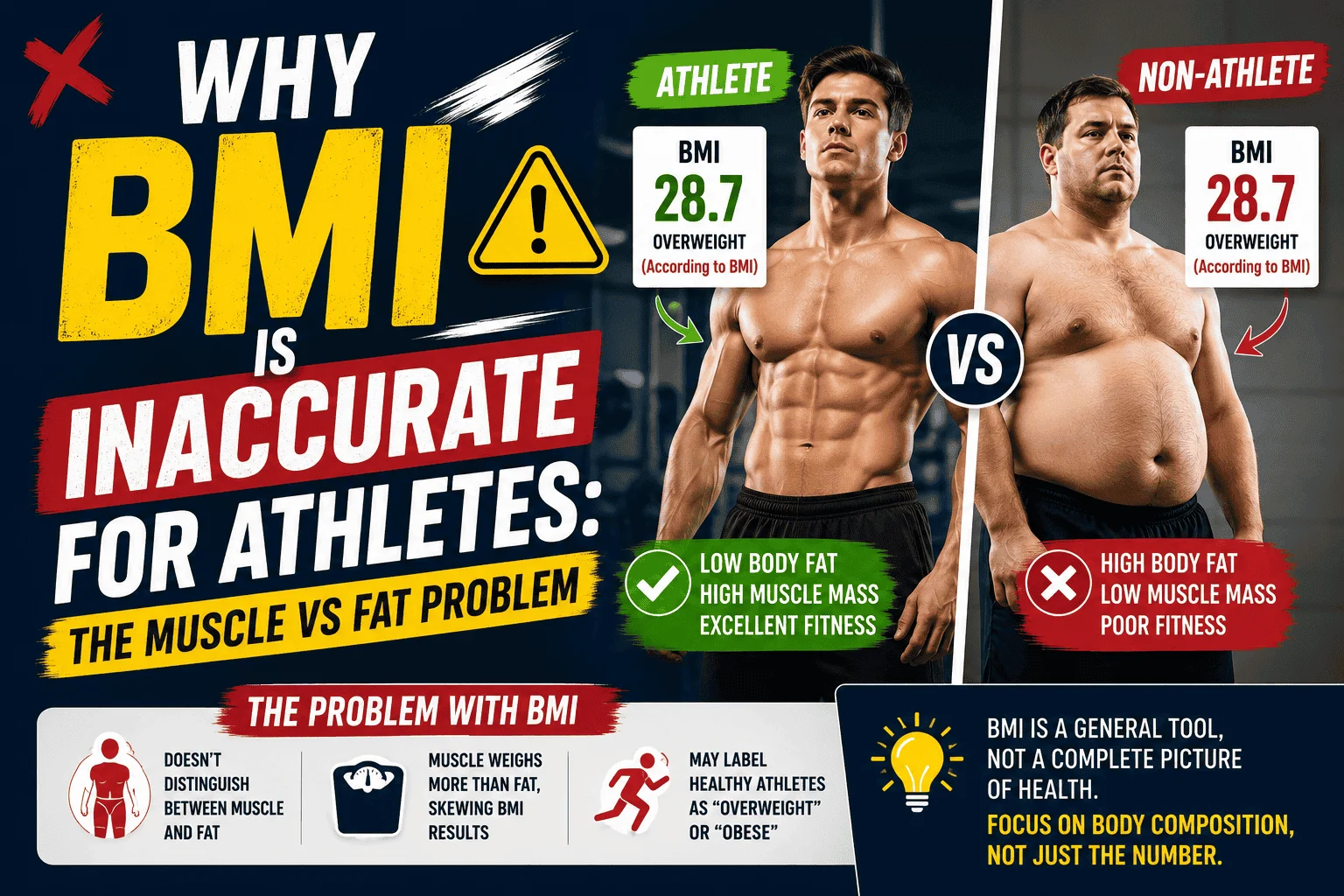
Calculate Your BMIA professional bodybuilder walks into a doctor's office. He is 5'10", weighs 220 pounds, and has 10% body fat. His BMI is 31.6.
The BMI chart says: "Obese - Very High Health Risk"
But this athlete can run a 6-minute mile, deadlift 500 pounds, and has blood pressure lower than most 20-year-olds. His cholesterol is perfect. His resting heart rate is 48.
Is he "obese"? Of course not. This reveals the fundamental flaw in using BMI for athletes.
Calculate Your BMI - But Understand Its Limits
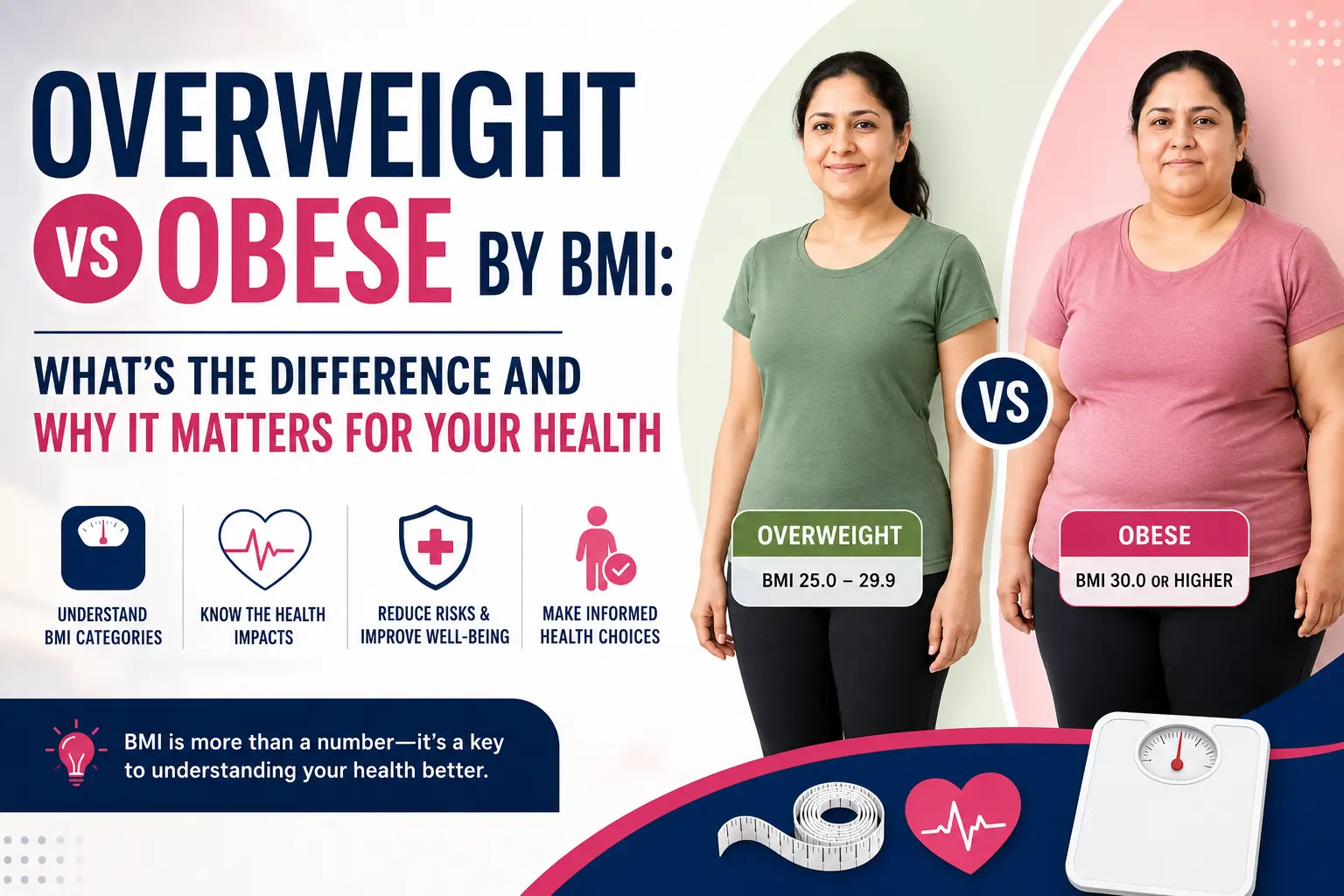
Free BMI CalculatorThe Fundamental Problem: Muscle Weighs More Than Fat
Muscle is denser than fat. It takes up less space but weighs more per cubic inch.
The comparison:
- 1 kg of muscle occupies about 0.9 liters of space
- 1 kg of fat occupies about 1.1 liters of space
- Muscle is about 15-20% denser than fat
This means a muscular athlete can weigh the same as a sedentary person but be much leaner and healthier. BMI cannot see this difference. It only sees weight and height.
Real Athletes, Real BMI Misclassification
NFL Players
A 2016 study of NFL combine players found that over 50% of NFL players were classified as "obese" by BMI (BMI 30+). Yet these are professional athletes with extremely low body fat and world-class cardiovascular fitness.
NFL running backs and linebackers routinely have BMIs in the 30-35 range despite having body fat percentages under 15%.
Olympic Weightlifters
Olympic weightlifters in heavier weight classes often have BMIs over 35. Their muscle mass is extraordinary. Their health markers are excellent. BMI calls them "morbidly obese."
Bodybuilders
Professional bodybuilders at competition weight (5-8% body fat) frequently have BMIs over 30. A bodybuilder with 6% body fat and a six-pack is labeled "obese" by BMI standards.
Rugby Players
Rugby union forwards average BMI around 32-34. Their body fat percentages range from 12-18%. BMI classifies them as "obese," yet they are among the fittest athletes in the world.
| Athlete Type | Typical BMI | BMI Category | Actual Body Fat |
|---|---|---|---|
| NFL Running Back | 30-32 | Obese | 10-15% |
| Olympic Weightlifter | 32-36 | Obese Class II | 8-14% |
| Bodybuilder (contest) | 30-33 | Obese | 5-9% |
| Rugby Forward | 32-35 | Obese Class II | 12-18% |
| Swimmer (male) | 25-28 | Overweight | 8-12% |
Get a Complete Health Assessment
BMI + Waist CalculatorThe Science: Why BMI Fails for Muscular Individuals
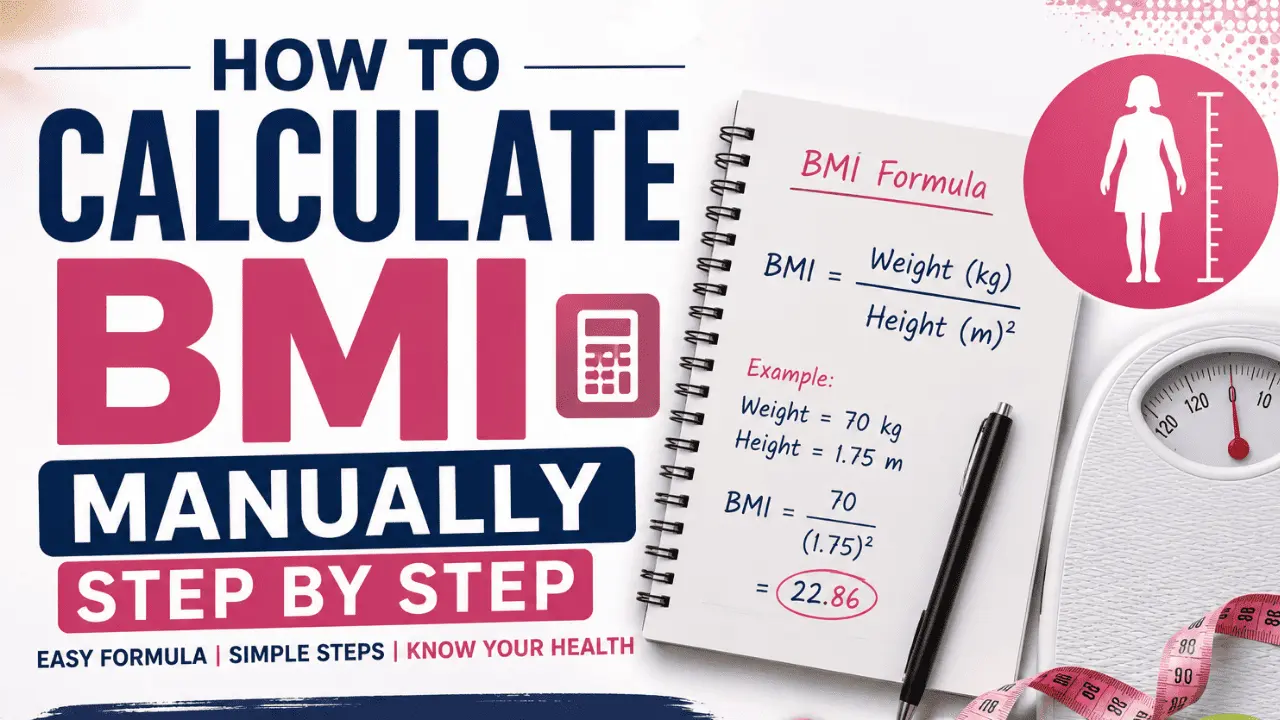
BMI was developed in the 1830s by Belgian statistician Adolphe Quetelet. He created it for studying populations, not individual athletes. The formula was based on average sedentary Europeans of the 19th century.
What BMI does well: Predicting health risks for sedentary populations
What BMI does poorly: Assessing highly muscular individuals, athletes, and bodybuilders
Research consistently shows that BMI misclassifies up to 50% of athletes. A 2018 study found that using BMI alone would label 47% of NFL players as "obese" when their body fat percentage placed them in the "healthy" or "fitness" categories.
What Athletes Should Use Instead of BMI
1. Body Fat Percentage (Best Option)
Body fat percentage directly measures what matters: how much of your weight is fat versus muscle.
Healthy body fat ranges for male athletes: 6-13%
Healthy body fat ranges for female athletes: 14-20%
How to measure (by accuracy):
- DEXA Scan (most accurate, $50-150)
- Hydrostatic Weighing (gold standard, $50-100)
- Bod Pod (air displacement, $50-100)
- Skinfold Calipers (requires training, $10-30)
- Bioelectrical Impedance (home scales, less accurate)
2. Waist Circumference (Simple and Free)
Waist measurement specifically measures visceral fat - the dangerous fat around organs. Even athletes can have unhealthy visceral fat.
Healthy waist for men: Less than 94 cm (37 inches)
Healthy waist for women: Less than 80 cm (31.5 inches)
Waist-to-Height Ratio: Less than 0.5 for everyone
3. Waist-to-Hip Ratio
This measures fat distribution. Lower risk: waist-to-hip ratio below 0.85 for women, below 0.90 for men.
4. Performance Metrics
For athletes, performance matters more than any body composition number. Track:
- Strength levels (how much you can lift)
- Endurance metrics (run times, recovery)
- Power output (jump height, sprint speed)
- Resting heart rate and blood pressure
5. How Clothes Fit
Simple but effective. If your pants fit the same but the scale is up, you're likely gaining muscle, not fat.
What About the "Athlete BMI Adjustment"?
Some experts have proposed adjusting BMI for athletes. The theory: add 2-3 points to the "overweight" and "obese" thresholds for athletes.
Under this adjusted system:
- Normal for athletes: BMI up to 27 (instead of 25)
- Overweight for athletes: BMI 27-32 (instead of 25-30)
- Obese for athletes: BMI 32+ (instead of 30+)
This helps, but it's still imperfect. Individual measurement (body fat percentage) is always better than population formulas.
Check Your Body Composition
BMI + Waist CalculatorCase Study: Two Athletes, Same BMI, Different Reality
Athlete A (Bodybuilder):
- Height: 180 cm, Weight: 100 kg
- BMI: 30.9 (Obese)
- Body fat: 10% (Athlete range)
- Waist: 78 cm (Healthy)
- Health: Excellent
Athlete B (Sedentary person with same BMI):
- Height: 180 cm, Weight: 100 kg
- BMI: 30.9 (Obese)
- Body fat: 35% (Obese range)
- Waist: 105 cm (High risk)
- Health: At risk for metabolic disease
Same BMI. Completely different health profiles. This is why BMI fails for athletes.
When BMI Still Works for Athletes
BMI can still be useful for athletes in specific situations:
- Endurance athletes: Runners, cyclists, swimmers have lower muscle mass, so BMI works better
- Tracking changes over time: If your BMI is rising but your waist is stable, you're likely gaining muscle
- Female athletes: Women generally have lower muscle mass than men, so BMI is more accurate
- Off-season athletes: When not training intensely, BMI may better reflect fat gain
What Coaches and Trainers Should Know
If you work with athletes, avoid using BMI as a screening tool. It will lead to:
- Misclassifying healthy athletes as "overweight" or "obese"
- Causing unnecessary anxiety about weight
- Discouraging muscle gain (which is healthy for athletes)
- Missing actual health issues in normal-weight athletes with high body fat
Better approach: Use body fat percentage, waist measurement, and performance metrics.
Frequently Asked Questions
Can athletes ever be truly obese?
Yes. Some athletes have excess fat despite high muscle mass. This is why body composition matters. An athlete with high BMI and high waist measurement may need weight management.
What BMI is too high even for athletes?
Generally, BMI over 35 is concerning even for muscular athletes. At this level, weight likely exceeds what's healthy even with significant muscle mass.
Do female athletes have the same BMI problem?
Female athletes have less muscle mass than male athletes, so BMI is more accurate for women. However, female bodybuilders and powerlifters still experience misclassification.
Should athletes ignore BMI completely?
Not completely. Track your BMI alongside other metrics. If BMI is high but waist is normal and performance is good, don't worry. If BMI and waist are both high, investigate further.
Scientific References
- Ode, J. J., et al. (2007). BMI as a predictor of percent fat in college athletes. Medicine & Science in Sports & Exercise, 39(3), 403-409.
- Nevill, A. M., et al. (2010). BMI as a predictor of body fat in British athletes. Journal of Sports Sciences, 28(2), 127-133.
- Santos, D. A., et al. (2014). Body composition in elite athletes. European Journal of Sport Science, 14(sup1), S347-S355.
- Kraemer, W. J., et al. (2014). Body composition in elite athletes. Sports Medicine.
Know Your True Health Status
Use our calculator to track your BMI and waist measurement together.
Calculate Your BMICheck Your BMI
BMI Calculator
You May Also Like