BMI vs Body Fat Percentage: Which One is the Better Health Indicator?
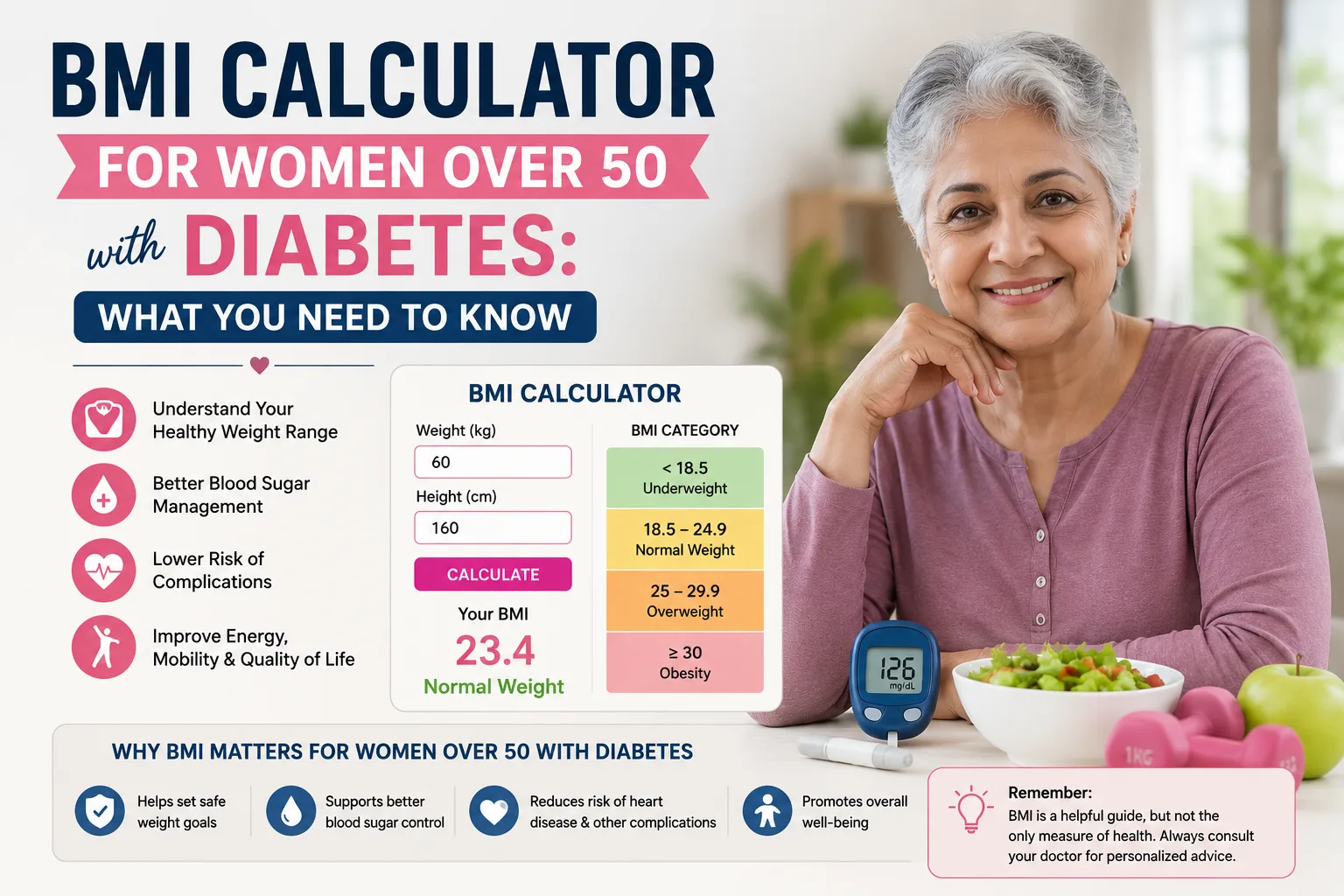
BMI Calculator
Calculate Your BMIYou step on the scale, enter your height into a BMI calculator, and get a number: 24.5. "Normal weight," it says. Meanwhile, your gym-going friend has a BMI of 28 ("overweight") but looks lean and fit. What's going on?
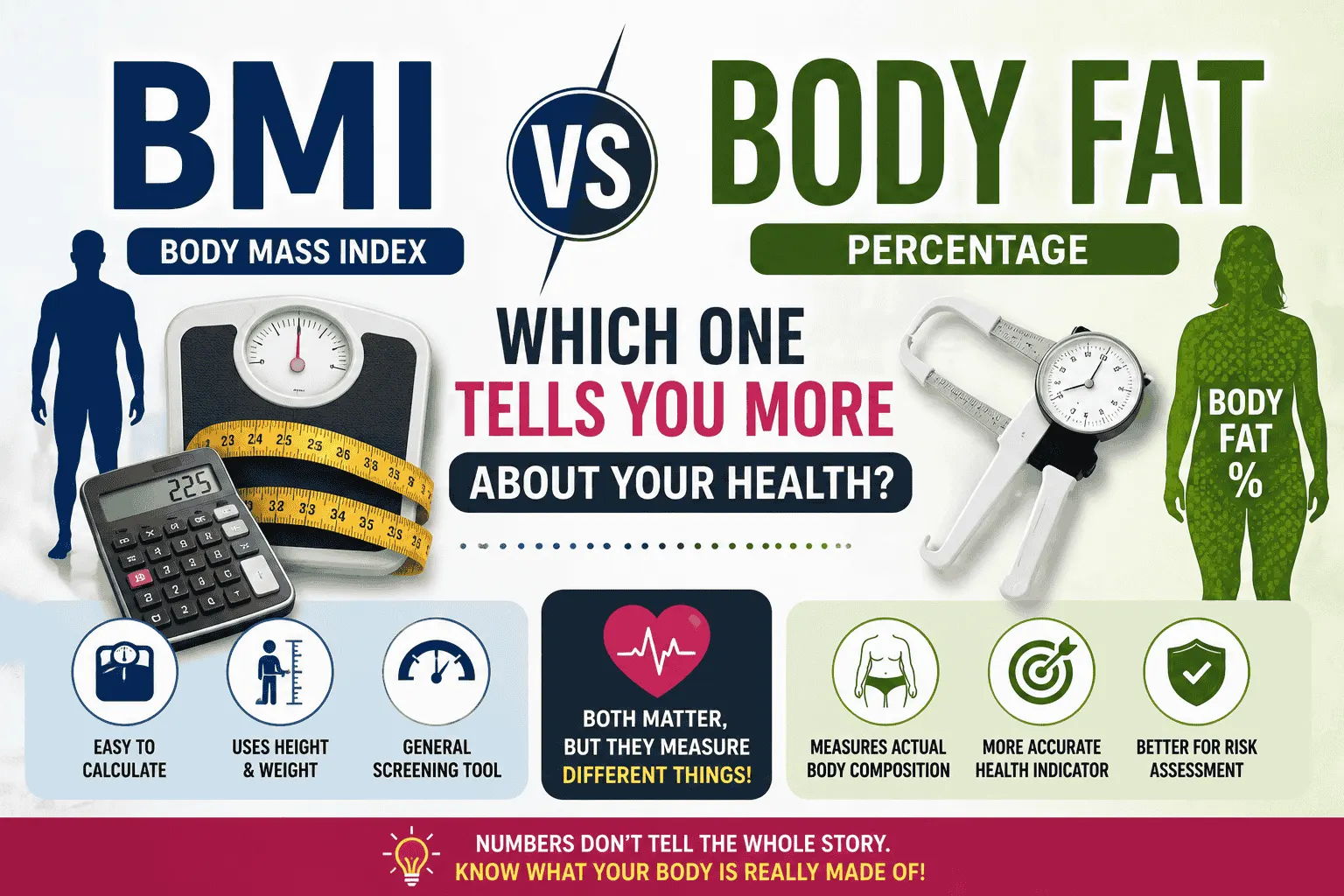
This confusion happens because BMI and body fat percentage measure two completely different things. Understanding the difference can change how you think about your health.
Calculate Your BMI
Free BMI CalculatorWhat is BMI?
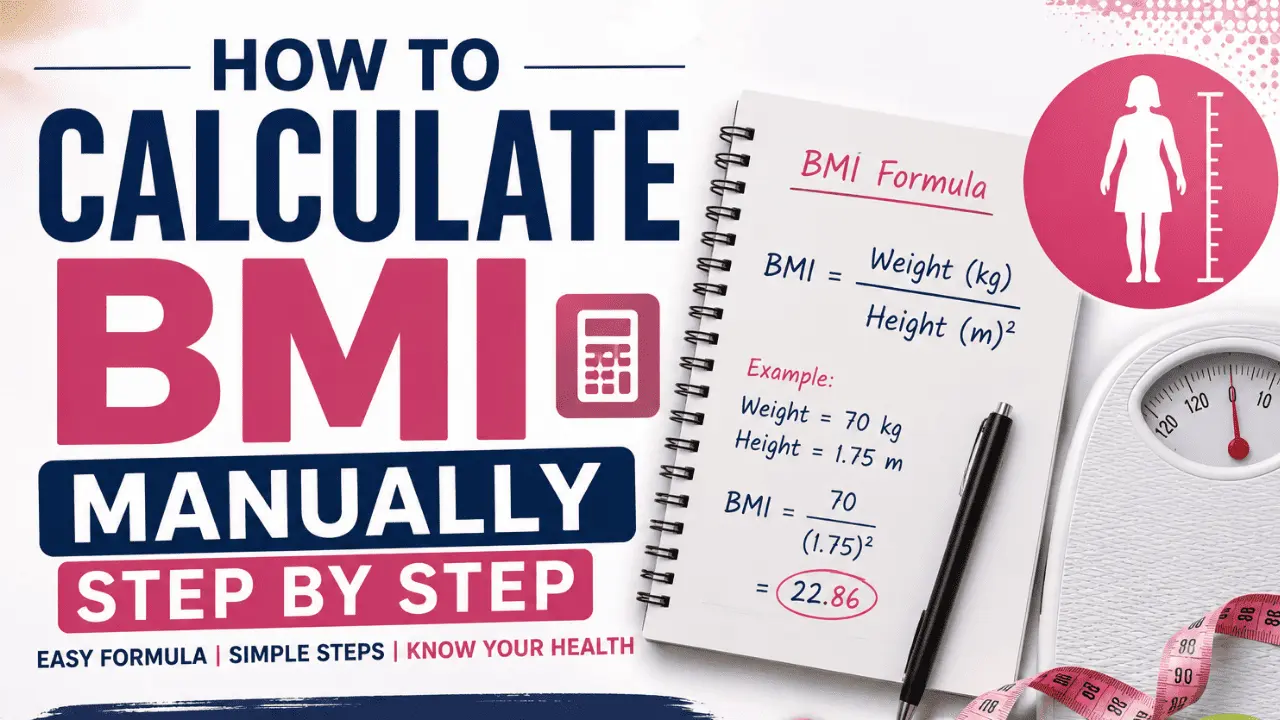
Body Mass Index is a simple calculation using only your height and weight.
BMI = weight (kg) ÷ height² (m²)
Example: A person weighing 70 kg with height 1.70 meters has a BMI of 24.2.
BMI has been used by doctors worldwide since the 1970s. It requires no special equipment and costs nothing to calculate. This is why it remains the most common screening tool for weight-related health issues.
BMI Categories (WHO Standards)
| Category | BMI Range | Health Risk |
|---|---|---|
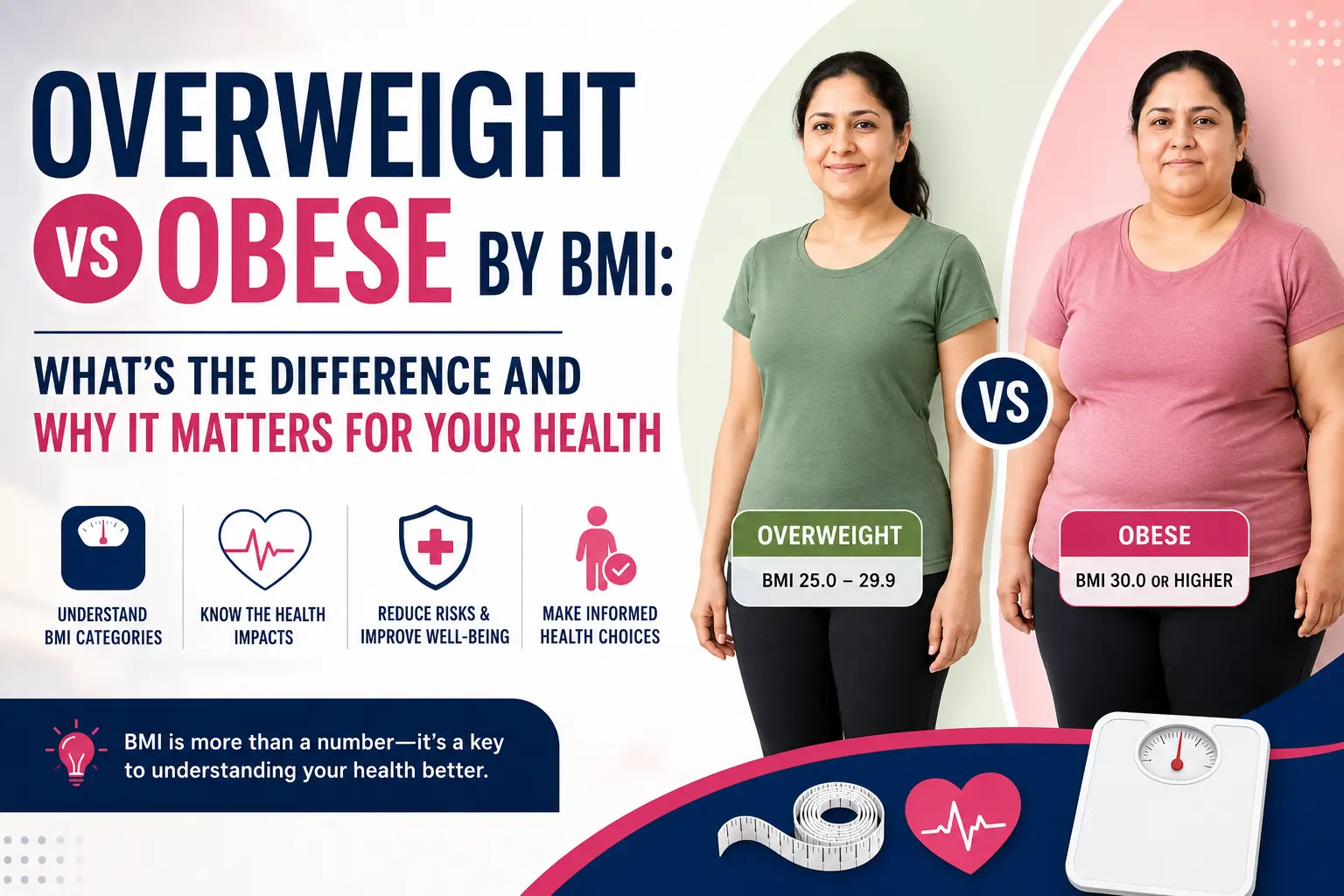
| Underweight | Below 18.5 | Increased |
| Normal | 18.5 - 24.9 | Lowest |
| Overweight | 25 - 29.9 | Increased |
| Obese Class I | 30 - 34.9 | High |
| Obese Class II | 35 - 39.9 | Very High |
| Obese Class III | 40+ | Extremely High |
What is Body Fat Percentage?
Body fat percentage is the proportion of your total body weight that comes from fat tissue. Unlike BMI, it separates fat mass from lean mass (muscle, bone, organs, water).
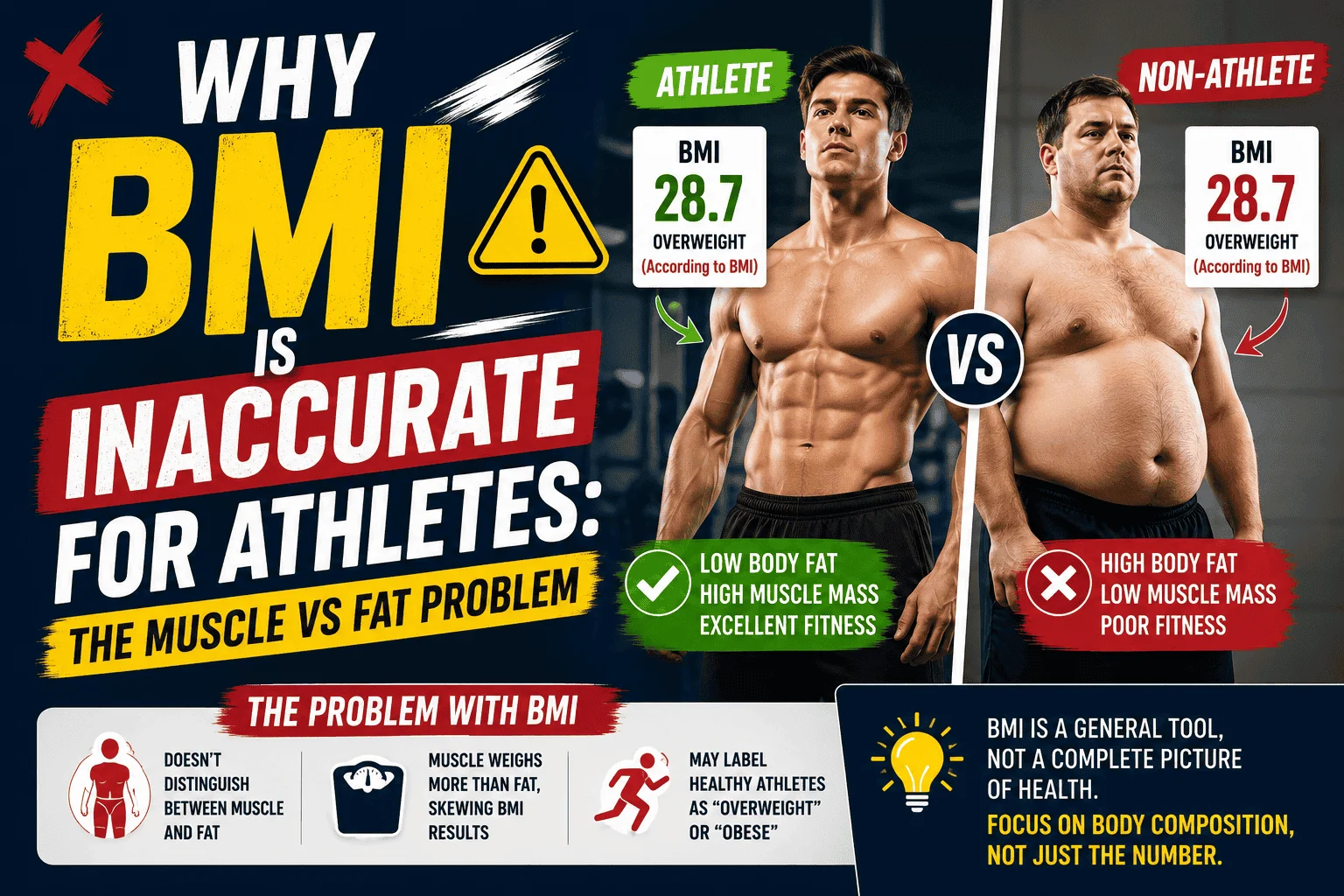
Two people with identical BMI can have very different body fat percentages. One may be muscular and lean, the other may have low muscle and high fat. Body fat percentage reveals this difference.
How Body Fat Percentage is Measured
- DEXA Scan: Most accurate ($50-150) - uses X-rays to measure bone, fat, and muscle
- Hydrostatic Weighing: Gold standard ($50-100) - underwater weighing
- Bod Pod: Air displacement ($50-100)
- Bioelectrical Impedance: Home scales ($30-100) - less accurate but convenient
- Skinfold Calipers: Pinch test ($10-30) - requires practice for accuracy
- Navy Method: Free - uses neck, waist, and hip measurements
Healthy Body Fat Ranges by Gender
| Category | Women | Men |
|---|---|---|
| Essential Fat | 10-13% | 2-5% |
| Athletes | 14-20% | 6-13% |
| Fitness | 21-24% | 14-17% |
| Acceptable | 25-31% | 18-24% |
| Obese | 32%+ | 25%+ |
Women naturally have 8-10% higher body fat than men. This is normal and healthy. A woman with 25% body fat and a man with 18% body fat may both be equally healthy.
Track Your BMI and Health Markers
Calculate Your BMIKey Differences Between BMI and Body Fat Percentage
| Aspect | BMI | Body Fat Percentage |
|---|---|---|
| What it measures | Weight-to-height ratio | Fat mass vs lean mass |
| How to measure | Scale + height (free) | Calipers, DEXA, BIA scale ($10-$150) |
| Time required | 30 seconds | 2-30 minutes |
| Accuracy for athletes | Poor (overestimates) | Good |
| Accuracy for older adults | Poor (underestimates) | Good |
| Best for | Population screening, quick check | Individual health assessment |
The Problem with BMI Alone
Example 1: The Athlete
A professional bodybuilder: Height 180 cm, Weight 100 kg. BMI = 30.9 (Obese). Actual body fat = 12% (Athlete range). BMI says "obese" but this person is extremely healthy.
Example 2: The "Normal Weight" Person with High Fat
A sedentary older adult: Height 165 cm, Weight 62 kg. BMI = 22.8 (Normal). Actual body fat = 38% (Obese range). BMI misses the problem completely.
These examples show why BMI alone can be misleading.
The Problem with Body Fat Percentage Alone
- Hard to measure accurately: Home methods have 3-8% error margins
- Expensive: Accurate methods cost $50-150
- No universal standards: Different organizations suggest different healthy ranges
- Impractical for large studies: Too expensive and time-consuming for population research
What About Waist Circumference?
Many experts believe waist circumference is actually the best single predictor of health risk. It specifically measures visceral fat — the dangerous fat wrapped around your internal organs.
Healthy waist measurements:
- Women: Less than 80 cm (31.5 inches)
- Men: Less than 94 cm (37 inches)
- Waist-to-Height Ratio: Less than 0.5 for everyone
Studies show that waist-to-height ratio predicts heart disease and diabetes risk better than BMI alone. It's free, simple, and takes 30 seconds.
Calculate Your BMI and Waist Ratio
BMI + Waist CalculatorWhich One Should You Use?
The best answer: Use multiple measurements.
- Calculate your BMI (free, takes 30 seconds)
- Measure your waist circumference (free, takes 30 seconds)
- If you're athletic or over 65, consider getting your body fat measured
- Track trends over time, not single numbers
- Focus on how you feel, your energy levels, and your health markers
Which is More Accurate for Different Populations?
BMI is More Accurate For:
- Average people with average muscle mass
- Large population studies and research
- Quick initial health screenings
- Tracking weight trends over time
- People who cannot access body fat testing
Body Fat Percentage is More Accurate For:
- Athletes and bodybuilders (high muscle, low fat)
- Older adults (low muscle, normal weight but high fat)
- People with normal BMI but large waist (normal weight obesity)
- Anyone serious about body composition changes
- Tracking progress during strength training
Frequently Asked Questions
Can I have a normal BMI but unhealthy body fat?
Yes. This is called "normal weight obesity" or TOFI (Thin Outside, Fat Inside). Up to 30% of people with normal BMI have unhealthy levels of body fat. Measure your waist circumference to check for this.
What is a healthy body fat percentage for women over 50?
For women over 50, healthy body fat is typically 23-33%. Slightly higher than younger women due to hormonal changes.
Why do athletes have high BMI but low body fat?
Muscle is denser than fat. A pound of muscle takes up less space than a pound of fat. Athletes with high muscle mass often fall into "overweight" or "obese" BMI categories despite having excellent health.
Which is better for weight loss tracking?
Both are useful. BMI is easier to track at home. Body fat percentage shows whether you're losing fat or muscle. Use both for the most complete picture.
What the Research Says
A 2012 meta-analysis of 31 studies involving over 300,000 participants found that waist-to-height ratio was a better predictor of cardiometabolic risk than both BMI and waist circumference alone. The same analysis found that a single threshold of 0.5 works for men, women, and across ethnic groups.
However, for large population studies and quick clinical screenings, BMI remains the standard because it's free, standardized, and has decades of research backing.
Scientific References
- World Health Organization. (2021). BMI classification.
- American Council on Exercise. Body fat percentage chart.
- Ashwell, M., et al. (2012). Waist-to-height ratio is a better screening tool. PLoS ONE, 7(9), e44904.
- Romero-Corral, A., et al. (2008). Accuracy of body mass index in diagnosing obesity. International Journal of Obesity, 32(6), 959-966.
Know Your Numbers
Calculate your BMI and check your waist-to-height ratio today.
Free BMI CalculatorKey Takeaways
- BMI measures weight-to-height ratio; body fat percentage measures fat vs lean mass
- BMI is calculated using only height and weight; body fat requires special tools
- A muscular person can have high BMI but low body fat (healthy)
- A sedentary person can have normal BMI but high body fat (unhealthy)
- Waist circumference may be the best single predictor of health risk
- For average people, BMI is a good screening tool
- For athletes and older adults, body fat percentage is more accurate
- Women naturally have 8-10% higher body fat than men
- Healthy body fat for women: 21-31%; for men: 14-24%
- Combine multiple measurements for the most complete health picture
Check Your BMI
BMI Calculator
You May Also Like