How to Calculate BMI Formula Manually: Step by Step Guide with Examples
BMI Calculator
Calculate Your BMIYou don't always have access to an online BMI calculator. Maybe you're in a doctor's office, teaching a health class, or just want to understand how the numbers work.
The good news? Calculating BMI manually is simple math. You only need your height, weight, and basic multiplication and division skills.
In this guide, I'll walk you through the exact formulas, step-by-step examples for both metric and imperial units, and common mistakes to avoid.
Check Your Calculation with Our Free Tool
Free BMI CalculatorThe BMI Formula (Two Versions)
There are two formulas depending on which measurement system you use:
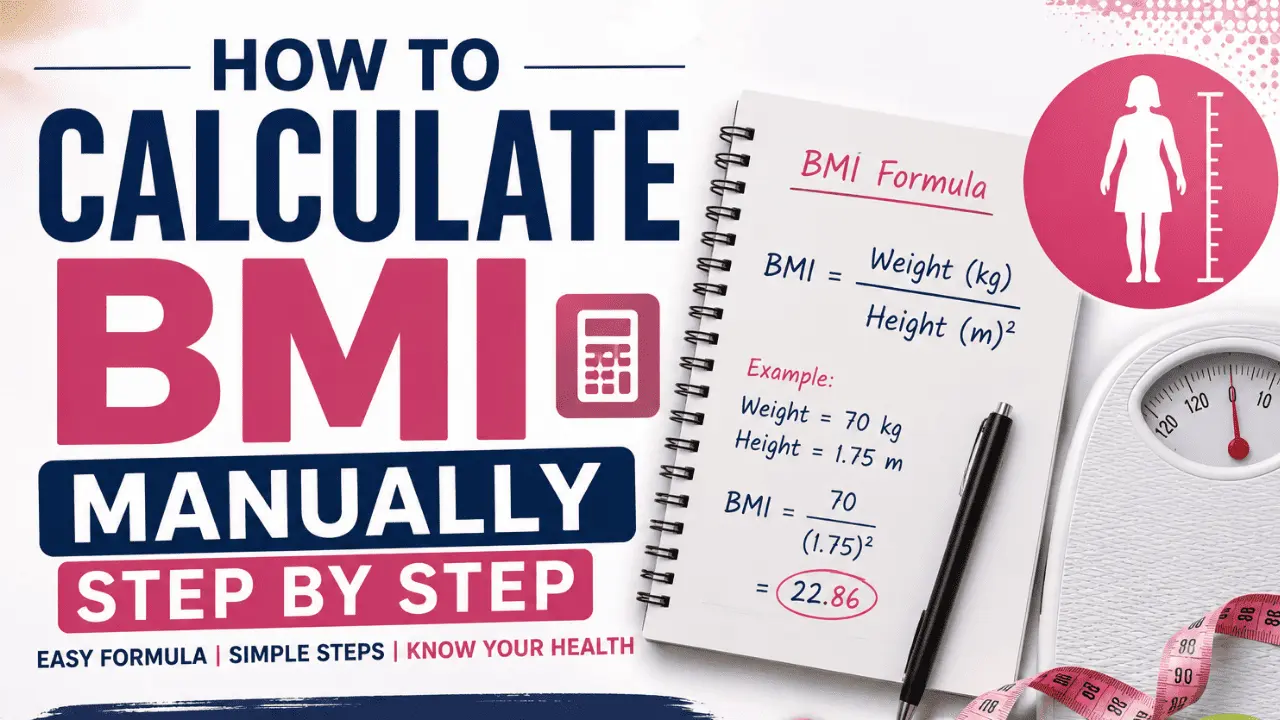
Metric Formula (kilograms and meters):
BMI = weight (kg) ÷ height² (m²)
Imperial Formula (pounds and inches):
BMI = [weight (lbs) × 703] ÷ height² (in²)
The number 703 is a conversion factor that makes the imperial formula produce the same result as the metric formula.
Step-by-Step: Metric Calculation
Let's break this down into simple steps.
Step 1: Measure Your Height in Meters
If you know your height in centimeters, convert it to meters by dividing by 100.
Example: 170 cm ÷ 100 = 1.70 meters
Step 2: Square Your Height
Multiply your height by itself (height × height).
Example: 1.70 × 1.70 = 2.89
Step 3: Measure Your Weight in Kilograms
Use a reliable scale. For accuracy, weigh yourself in the morning, after using the bathroom, before eating.
Example: 70 kg
Step 4: Divide Weight by Height Squared
Take your weight and divide it by the number from Step 2.
Example: 70 ÷ 2.89 = 24.2
Step 5: Round to One Decimal Place
Standard BMI reporting uses one decimal place.
Example: 24.2
This person's BMI is 24.2, which falls in the Normal range (18.5-24.9).
More Metric Examples
| Height (cm) | Height (m) | Height² | Weight (kg) | BMI | Category |
|---|---|---|---|---|---|
| 160 | 1.60 | 2.56 | 55 | 55 ÷ 2.56 = 21.5 | Normal |
| 165 | 1.65 | 2.72 | 65 | 65 ÷ 2.72 = 23.9 | Normal |
| 175 | 1.75 | 3.06 | 80 | 80 ÷ 3.06 = 26.1 | Overweight |
| 180 | 1.80 | 3.24 | 95 | 95 ÷ 3.24 = 29.3 | Overweight |
| 162 | 1.62 | 2.62 | 45 | 45 ÷ 2.62 = 17.2 | Underweight |
Calculate Your BMI Now
Try Our CalculatorStep-by-Step: Imperial Calculation (Pounds and Inches)
If you're in the US or using imperial measurements, follow these steps.
Step 1: Convert Height to Total Inches
If you know your height in feet and inches, convert to total inches:
Total inches = (feet × 12) + inches
Example: 5 feet 7 inches = (5 × 12) + 7 = 60 + 7 = 67 inches
Step 2: Square Your Height in Inches
Multiply your height in inches by itself.
Example: 67 × 67 = 4,489
Step 3: Measure Your Weight in Pounds
Example: 154 lbs
Step 4: Multiply Weight by 703
The conversion factor 703 makes the imperial formula match the metric result.
Example: 154 × 703 = 108,262
Step 5: Divide by Height Squared
Take the result from Step 4 and divide by the number from Step 2.
Example: 108,262 ÷ 4,489 = 24.1
Step 6: Round to One Decimal Place
Example: 24.1
This person's BMI is 24.1, which falls in the Normal range (18.5-24.9).
More Imperial Examples
| Height (ft/in) | Height (in) | Height² | Weight (lbs) | Weight × 703 | BMI | Category |
|---|---|---|---|---|---|---|
| 5'0" | 60 | 3,600 | 110 | 77,330 | 21.5 | Normal |
| 5'4" | 64 | 4,096 | 140 | 98,420 | 24.0 | Normal |
| 5'8" | 68 | 4,624 | 180 | 126,540 | 27.4 | Overweight |
| 5'10" | 70 | 4,900 | 210 | 147,630 | 30.1 | Obese Class I |
| 6'0" | 72 | 5,184 | 250 | 175,750 | 33.9 | Obese Class I |
Common Mistakes to Avoid
Mistake #1: Forgetting to Convert cm to meters
Wrong: Using centimeters directly in the metric formula (170 instead of 1.70)
170 ÷ (170 × 170) = 170 ÷ 28,900 = 0.006 (completely wrong!)
Correct: 170 cm = 1.70 m
Mistake #2: Using Pounds Without the 703 Conversion Factor
Wrong: weight (lbs) ÷ height² (in²)
154 ÷ 4,489 = 0.03 (completely wrong!)
Correct: [weight × 703] ÷ height²
Mistake #3: Squaring Incorrectly
Wrong: 1.70 × 2 = 3.40 (that's doubling, not squaring)
Correct: 1.70 × 1.70 = 2.89 (squaring)
Mistake #4: Measuring Height Incorrectly
Measure without shoes. Stand with back straight, heels together, looking straight ahead.
Verify Your Manual Calculation
Use Our CalculatorHow to Interpret Your BMI Result
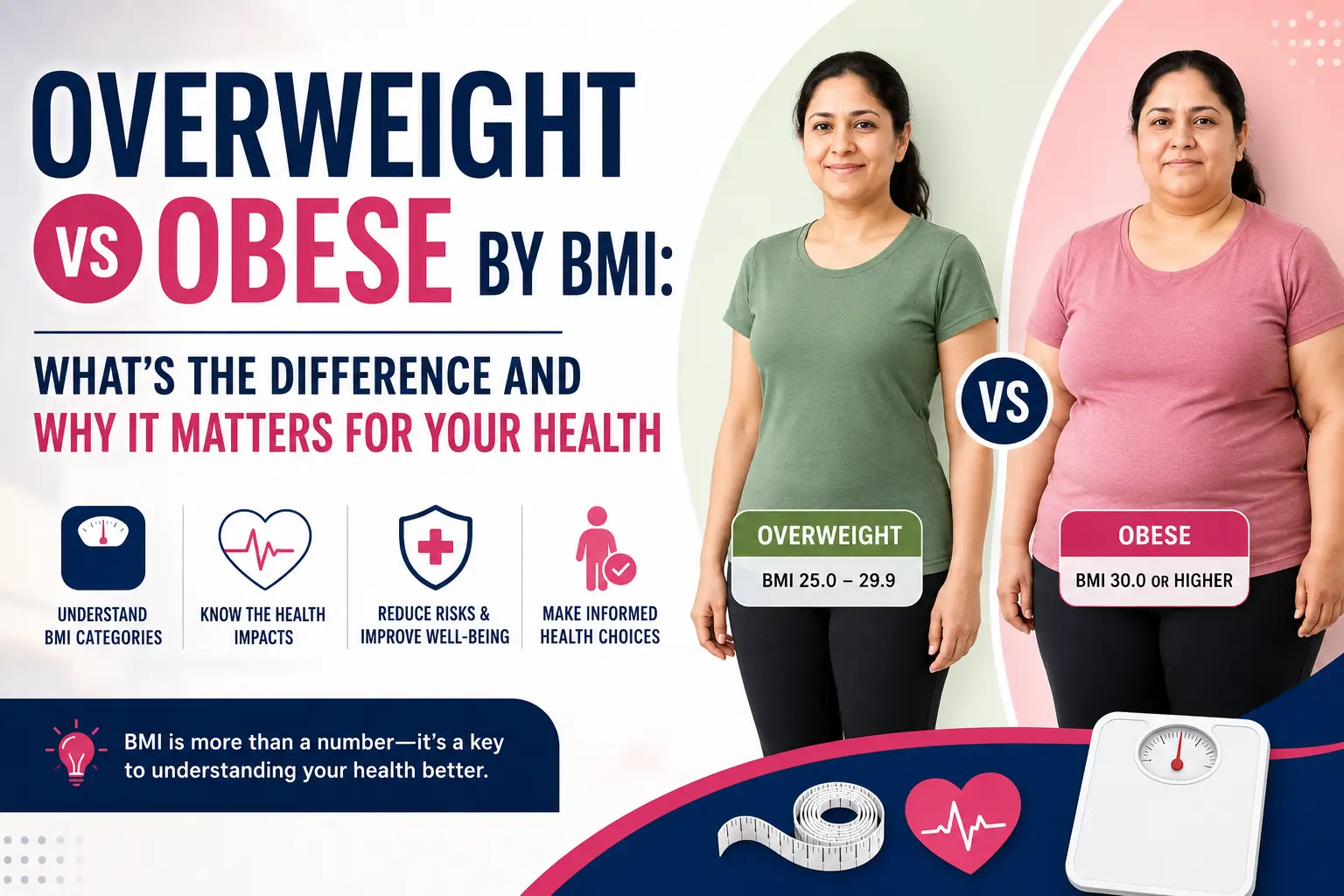
Once you have your BMI number, here's what it means:
- Below 18.5: Underweight — may indicate nutritional deficiency, consult healthcare provider
- 18.5 - 24.9: Normal weight — healthy range, maintain with balanced lifestyle
- 25 - 29.9: Overweight — increased health risk, lifestyle modification recommended
- 30 - 34.9: Obese Class I — high risk, weight management program recommended
- 35 - 39.9: Obese Class II — very high risk, medical evaluation advised
- 40 and above: Obese Class III — extremely high risk, bariatric evaluation may be appropriate
Quick Reference: BMI Categories at a Glance
| Category | BMI Range | Health Risk |
|---|---|---|
| Underweight | Below 18.5 | Increased |
| Normal weight | 18.5 - 24.9 | Lowest |
| Overweight | 25 - 29.9 | Increased |
| Obese Class I | 30 - 34.9 | High |
| Obese Class II | 35 - 39.9 | Very High |
| Obese Class III | 40+ | Extremely High |
Why BMI Has Limitations
While BMI is a useful screening tool, it has important limitations:
- Does not distinguish between muscle and fat (athletes may have high BMI but low body fat)
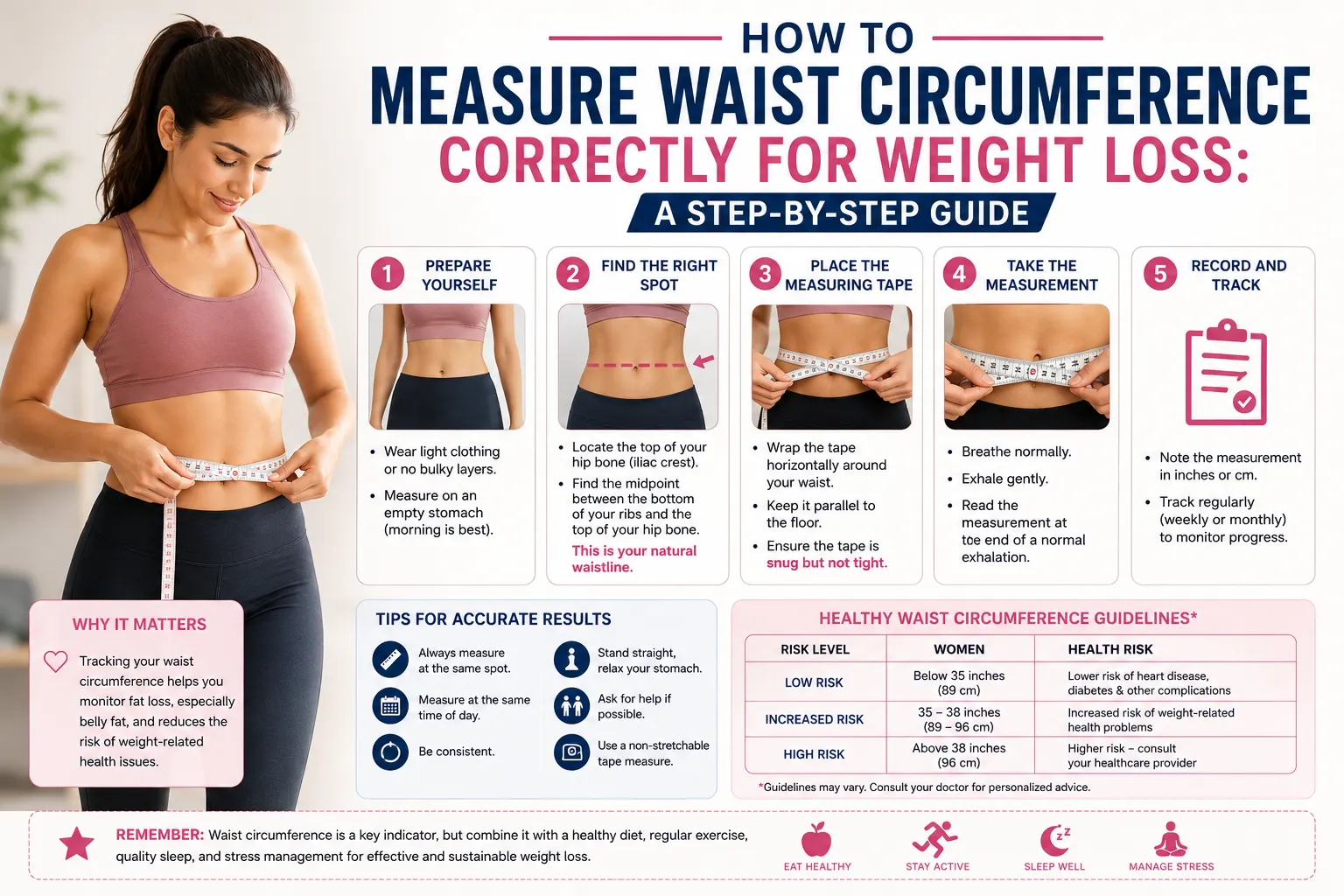
- Does not account for fat distribution (waist circumference matters)
- Less accurate for older adults (muscle loss skews results)
- Different ethnic groups have different risk thresholds
- Does not apply to pregnant women
For best results, combine BMI with waist circumference measurement.
Get a Complete Health Assessment
Calculate BMI + Waist RatioFrequently Asked Questions
What is a good BMI for my age?
For adults 20-65, the healthy BMI range is 18.5-24.9 regardless of age. For seniors 65+, optimal BMI is slightly higher (23-27).
How often should I calculate my BMI?
Every 3-6 months is sufficient for healthy adults tracking weight. More frequently if actively trying to lose or gain weight.
Is BMI accurate for athletes?
No. BMI may overestimate body fat in muscular individuals. Athletes should consider body fat percentage and waist measurement instead.
Can I calculate BMI for children using the same formula?
The calculation is the same, but interpretation is different. Children's BMIs are compared to percentiles based on age and gender, not adult categories.
Scientific References
- World Health Organization. (2021). BMI classification.
- Centers for Disease Control and Prevention. (2022). Calculating BMI.
- National Heart, Lung, and Blood Institute. BMI tools and resources.
Check Your BMI
BMI Calculator
You May Also Like