Difference between overweight and obese by bmi
BMI Calculator
Calculate Your BMI"Overweight" and "obese" are often used interchangeably in casual conversation. But medically speaking, they are not the same thing. And understanding the difference could change how you think about your health.
In this guide, we'll explain exactly what each term means, the BMI ranges that define them, and why crossing from overweight to obese matters for your health.
Calculate Your BMI Category
Free BMI CalculatorWhat is BMI? A Quick Refresher
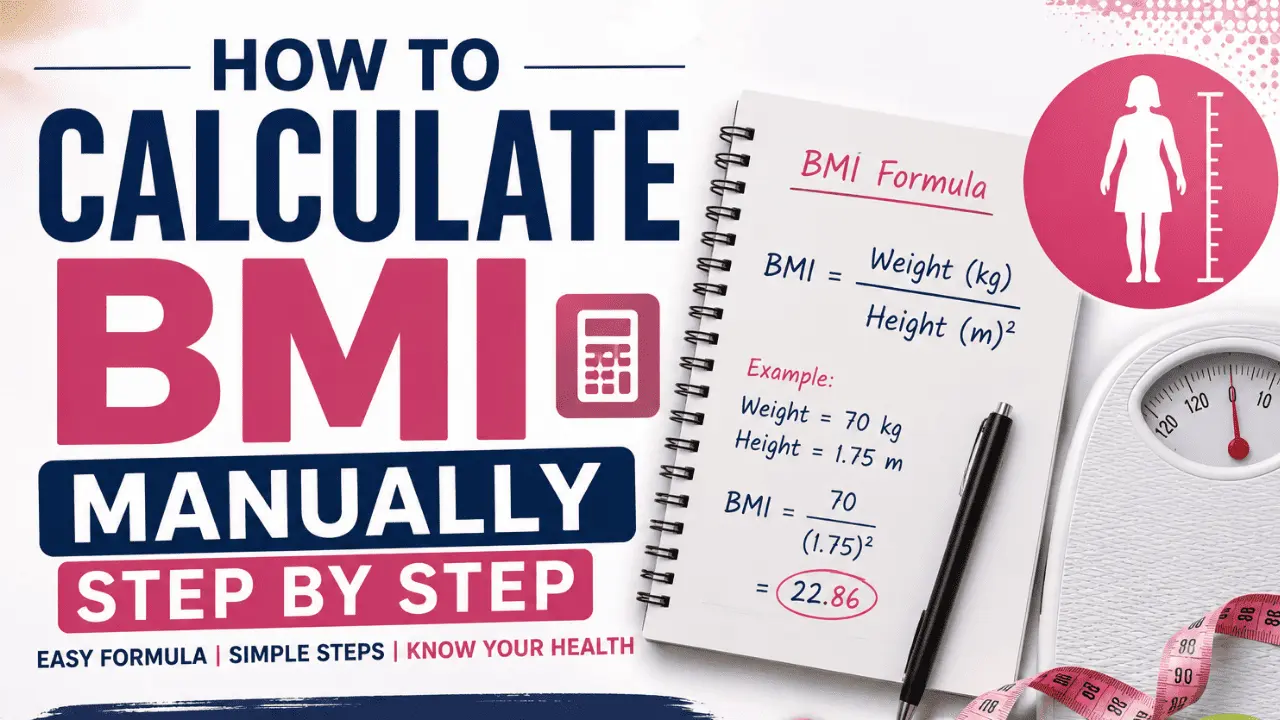
Body Mass Index (BMI) is a simple calculation using your height and weight:
BMI = weight (kg) ÷ height² (m²)
Example: A person weighing 80 kg with height 1.70 meters → 80 ÷ (1.70 × 1.70) = 27.7 (Overweight range)
BMI is a screening tool used by healthcare professionals worldwide to identify potential weight-related health issues. It's not a diagnostic tool, but it's an excellent starting point.
The Exact Numbers: Overweight vs Obese by BMI
According to the World Health Organization (WHO), here are the official categories:
| Category | BMI Range | Health Risk Level | What It Means |
|---|---|---|---|
| Underweight | Below 18.5 | Increased | Risk of nutritional deficiencies, osteoporosis, weakened immunity |
| Normal weight | 18.5 - 24.9 | Lowest | Healthy weight range - maintain with balanced lifestyle |
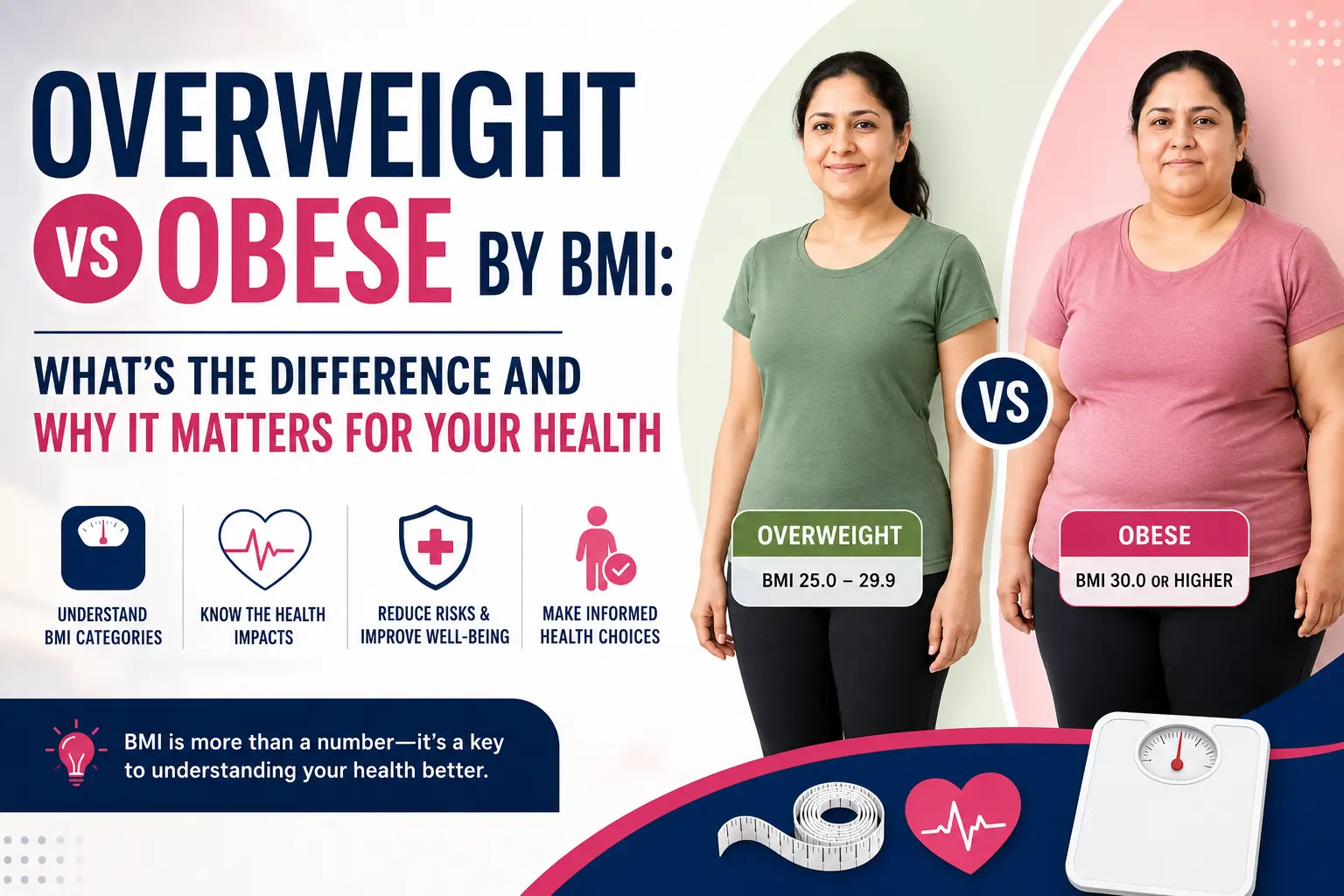
| Overweight | 25 - 29.9 | Increased | Excess weight; lifestyle modification advised |
| Obese Class I | 30 - 34.9 | High | Weight management program recommended |
| Obese Class II | 35 - 39.9 | Very High | Medical evaluation strongly advised |
| Obese Class III | 40 and above | Extremely High | Bariatric surgery evaluation may be appropriate |
The key takeaway: Overweight is BMI 25-29.9. Obesity begins at BMI 30.
Why the Distinction Matters
Crossing from overweight (BMI 25-29.9) into obesity (BMI 30+) is not just a number change. It represents a significant increase in health risks.
Health Risks at Overweight (BMI 25-29.9):
- Moderately increased risk of type 2 diabetes
- Slightly elevated blood pressure
- Increased joint stress, especially knees and hips
- Higher risk of developing sleep apnea
- Increased inflammation markers
Additional Health Risks at Obesity (BMI 30+):
- Type 2 diabetes risk increases 7x compared to normal weight
- Heart disease and stroke risk doubles
- Sleep apnea risk increases 5x
- Certain cancers risk increases 1.5-3x (breast, colon, endometrial, kidney)
- Osteoarthritis risk increases 4x (knee and hip)
- Life expectancy reduces by 2-4 years (Class I-II obesity)
- Life expectancy reduces by 5-10 years (Class III obesity, comparable to smoking)
Check Your BMI Category
Calculate Your BMIObesity Classes Explained
Obesity is not one uniform condition. It's divided into three classes, each with different treatment approaches:
Obese Class I (BMI 30-34.9)
This is the mildest form of obesity. Many people in this category can achieve significant health improvements with lifestyle changes alone. Losing just 5-10% of body weight (9-18 lbs for a 180 lb person) moves many people out of this category and dramatically reduces health risks.
Obese Class II (BMI 35-39.9)
At this level, weight-related health conditions are common. Most people have at least one comorbidity (high blood pressure, diabetes, sleep apnea). Weight loss medications may be appropriate. Lifestyle changes are essential but may not be sufficient alone.
Obese Class III (BMI 40 and above)
Also called morbid obesity or severe obesity. Multiple comorbidities are almost always present. Bariatric surgery is often the most effective treatment option. Life expectancy is significantly reduced without effective intervention.
Beyond BMI: The Waist Factor
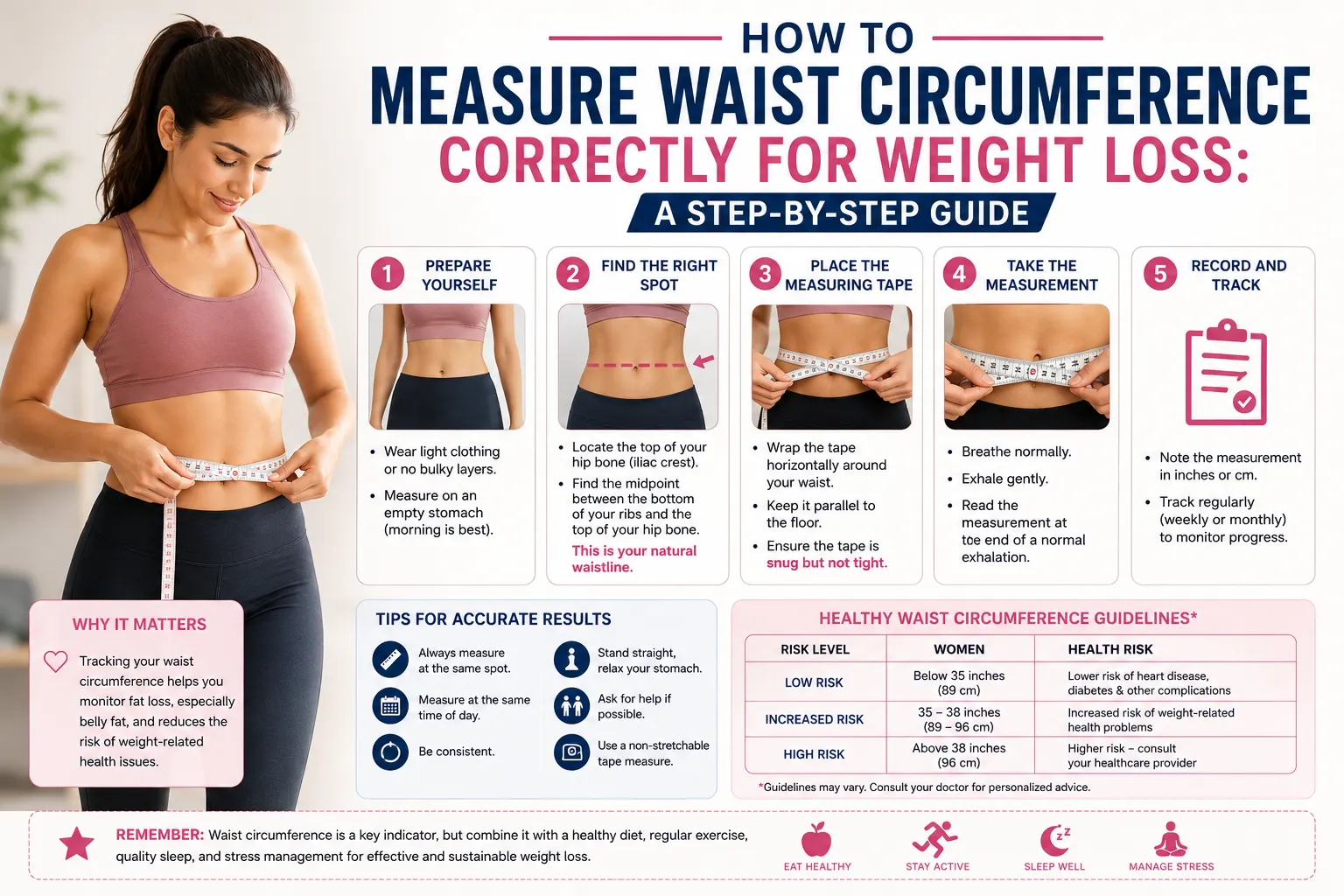
BMI tells you about your weight relative to height. It cannot tell you where your fat is stored. This is why waist circumference matters even more than BMI for predicting health risks.
Healthy waist measurements:
- Women: Less than 80 cm (31.5 inches)
- Men: Less than 94 cm (37 inches)
- Waist-to-Height Ratio: Less than 0.5 for everyone
You can have a BMI in the "overweight" range but a healthy waist. You can also have a "normal" BMI but a high waist (called normal weight obesity or TOFI - Thin Outside, Fat Inside). The latter carries similar health risks to obesity.
Measure Your Waist-to-Height Ratio
Calculate Waist RatioSpecial Populations: Different Rules Apply
Asian Populations
The WHO recommends lower BMI cutoffs for Asian populations because they have higher metabolic risk at lower BMIs:
- Overweight: BMI 23 (instead of 25)
- Obese: BMI 27 (instead of 30)
Older Adults (65+)
For seniors, the optimal BMI range is actually 23-27. A slightly higher BMI is protective because it provides energy reserves during illness. Weight loss in older adults should be approached with caution to avoid muscle loss.
Athletes and Bodybuilders
BMI may overestimate body fat in muscular individuals. An athlete may have BMI 30 (obese) but body fat 12% (athlete range). In these cases, body fat percentage is a better measure than BMI.
How to Move from Obese to Overweight (and Overweight to Normal)
The goal doesn't have to be reaching "normal" BMI. Research shows that losing just 5-10% of your body weight produces significant health benefits, even if you remain in the overweight or obese category.
For a person weighing 100 kg (220 lbs), 5-10% weight loss means losing 5-10 kg (11-22 lbs). This is achievable within 3-6 months and will:
- Improve blood pressure
- Lower blood sugar and A1c
- Improve cholesterol levels
- Reduce sleep apnea severity
- Decrease joint pain
Evidence-Based Strategies:
- Protein at every meal: 25-30g per meal reduces cravings and preserves muscle
- Walk 30 minutes daily: Most effective exercise for fat loss
- Add strength training 2-3x weekly: Builds muscle, boosts metabolism
- Reduce added sugars and refined carbs: The #1 contributor to belly fat
- Get 7-8 hours of sleep: Sleep deprivation increases hunger hormones by 25%
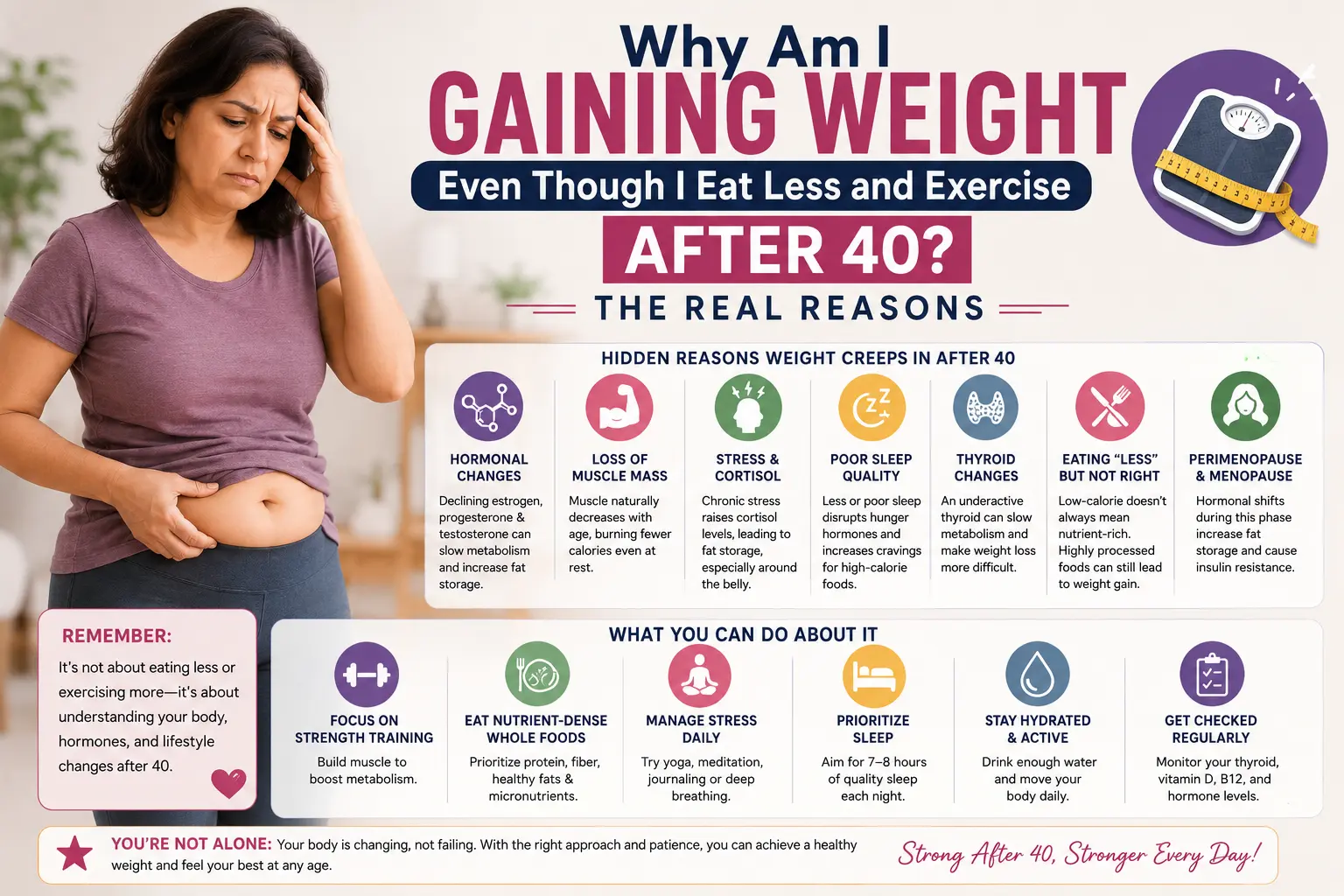
- Manage stress: Chronic stress increases cortisol, which stores belly fat
Track Your Progress
BMI CalculatorWhen to See a Doctor
Consult your healthcare provider if:
- Your BMI is 30 or higher
- Your waist circumference exceeds healthy limits
- You have other risk factors (high blood pressure, diabetes, family history of heart disease)
- You've tried lifestyle changes without success
- Your BMI is 40 or higher (evaluate for bariatric surgery)
Frequently Asked Questions
Can you be overweight but healthy?
Yes, some people with BMI 25-29.9 have normal blood pressure, blood sugar, and cholesterol. However, the risk of developing future health problems is still higher than someone with normal BMI. Waist measurement provides additional information.
Is obesity always unhealthy?
Obesity (BMI 30+) is associated with significantly increased health risks. However, some people with obesity have metabolically healthy obesity (normal blood pressure, blood sugar, cholesterol). This is more common in Class I obesity (BMI 30-34.9) and less common as BMI increases.
How quickly can I move from obese to overweight?
With consistent effort (500 calorie daily deficit), you can lose 0.5-1 kg per week. Moving from BMI 30 to BMI 29 (losing approximately 3-5 kg) takes 4-8 weeks.
Do I need to reach normal BMI to be healthy?
No. Research consistently shows that losing just 5-10% of body weight produces meaningful health improvements regardless of final BMI. Focus on health, not just the number.
Scientific References
- World Health Organization. (2021). Obesity and overweight. WHO Fact Sheet.
- Centers for Disease Control and Prevention. (2022). Adult BMI Categories.
- National Heart, Lung, and Blood Institute. Managing Overweight and Obesity in Adults.
- Flegal, K. M., et al. (2013). Association of all-cause mortality with overweight and obesity. JAMA.
Check Your BMI
BMI Calculator
You May Also Like