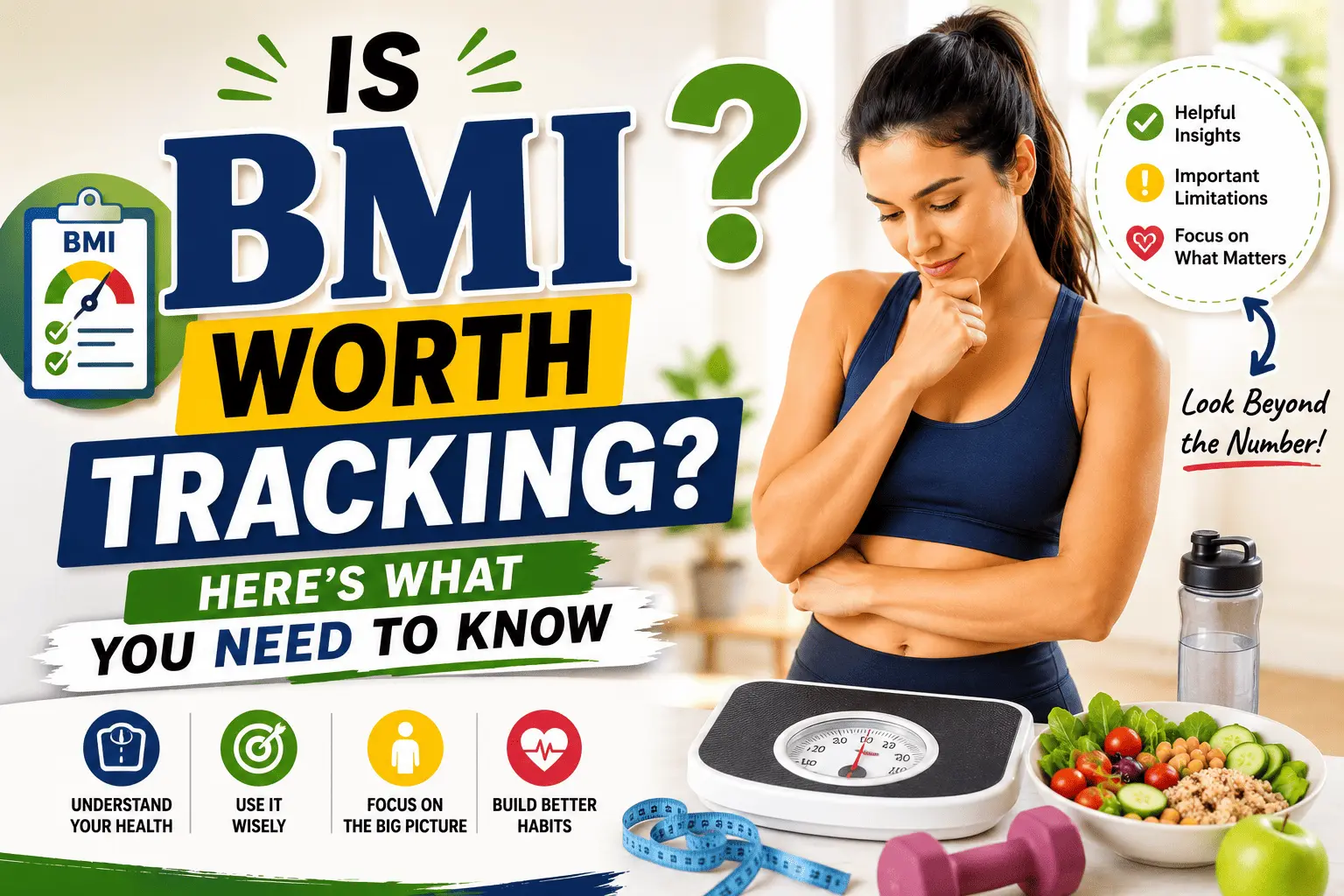
Is BMI Worth Tracking?
BMI Calculator
Calculate Your BMIYou've probably checked your BMI at some point. Maybe your doctor did it. Maybe you used an online calculator. Maybe you were just curious.
But here's the question that comes up again and again: Is BMI even worth tracking?
It's a fair question. Some people say BMI is useless. Others say it's the most important health number you need to know. The truth lies somewhere in between.
Let's break down what BMI can tell you, what it can't, and whether it's worth your time.
Calculate Your BMI
Free BMI CalculatorWhat BMI Actually Tells You
BMI stands for Body Mass Index. It's a simple calculation using only your height and weight.
BMI = weight (kg) ÷ height² (m²)
It gives you a number that falls into one of these categories:
- Below 18.5: Underweight
- 18.5 - 24.9: Normal weight
- 25 - 29.9: Overweight
- 30 - 34.9: Obese Class I
- 35 - 39.9: Obese Class II
- 40 and above: Obese Class III
That's all BMI does. It's a quick, free, and standardized way to see if your weight is in proportion to your height.
Where BMI Works Well
BMI is a good screening tool for most people. It works well for:
- Population studies: Researchers use BMI to track obesity trends across large groups.
- Quick health screening: Doctors use it as a starting point.
- Tracking changes: If you're losing weight, BMI can show if you're moving in the right direction.
- Busy clinical settings: It's fast, cheap, and requires no special equipment.
For the average person with average muscle mass, BMI is a reasonable indicator of whether you're at a healthy weight.
Where BMI Falls Short
BMI has several important limitations that you should know about:
1. It Can't Distinguish Between Muscle and Fat
A muscular person can have a high BMI and low body fat. A bodybuilder with 10% body fat might have a BMI of 30—which puts them in the "obese" category. This is clearly wrong.
On the other hand, a sedentary person with low muscle mass can have a normal BMI but high body fat. This is called "normal weight obesity." BMI misses it completely.
2. It Doesn't Measure Fat Distribution
BMI tells you nothing about where your fat is stored. Visceral fat (around your organs) is far more dangerous than fat under your skin. Waist circumference is a better measure of this.
3. It's Less Accurate for Certain Groups
- Older adults: Natural muscle loss means BMI may underestimate body fat.
- Athletes: BMI overestimates body fat in muscular people.
- Asian populations: Health risks start at lower BMIs, so standard cutoffs don't apply.
- Pregnant women: BMI is not accurate during pregnancy.
4. It Doesn't Account for Age or Gender
BMI uses the same formula for everyone. But a healthy BMI for a 25-year-old woman is different from a healthy BMI for a 70-year-old man.
5. It Doesn't Measure Health Directly
A normal BMI doesn't guarantee good health. You can have a healthy BMI and still have high blood pressure, high cholesterol, or diabetes. BMI is a weight measure, not a health measure.
Infographic: BMI Pros and Cons
| Pros | Cons |
|---|---|
| Free and easy to calculate | Can't distinguish between muscle and fat |
| Standardized worldwide | Doesn't measure fat distribution |
| Good for population studies | Less accurate for athletes and seniors |
| Quick health screening tool | Different cutoffs for different ethnicities |
| Helps track weight trends | Doesn't measure overall health |
What Experts Say About BMI
The American Heart Association, the National Institutes of Health, and the World Health Organization all use BMI as a screening tool. But they also emphasize that it's just one tool.
Dr. Robert Kushner, a leading obesity expert, says: "BMI is a good starting point, but it's not the whole story. We need to look at other factors like waist circumference, body fat percentage, and overall health."
The American Medical Association has noted that BMI alone is not enough to assess health risk. They recommend using it alongside other measurements.
What to Track Instead of or Alongside BMI
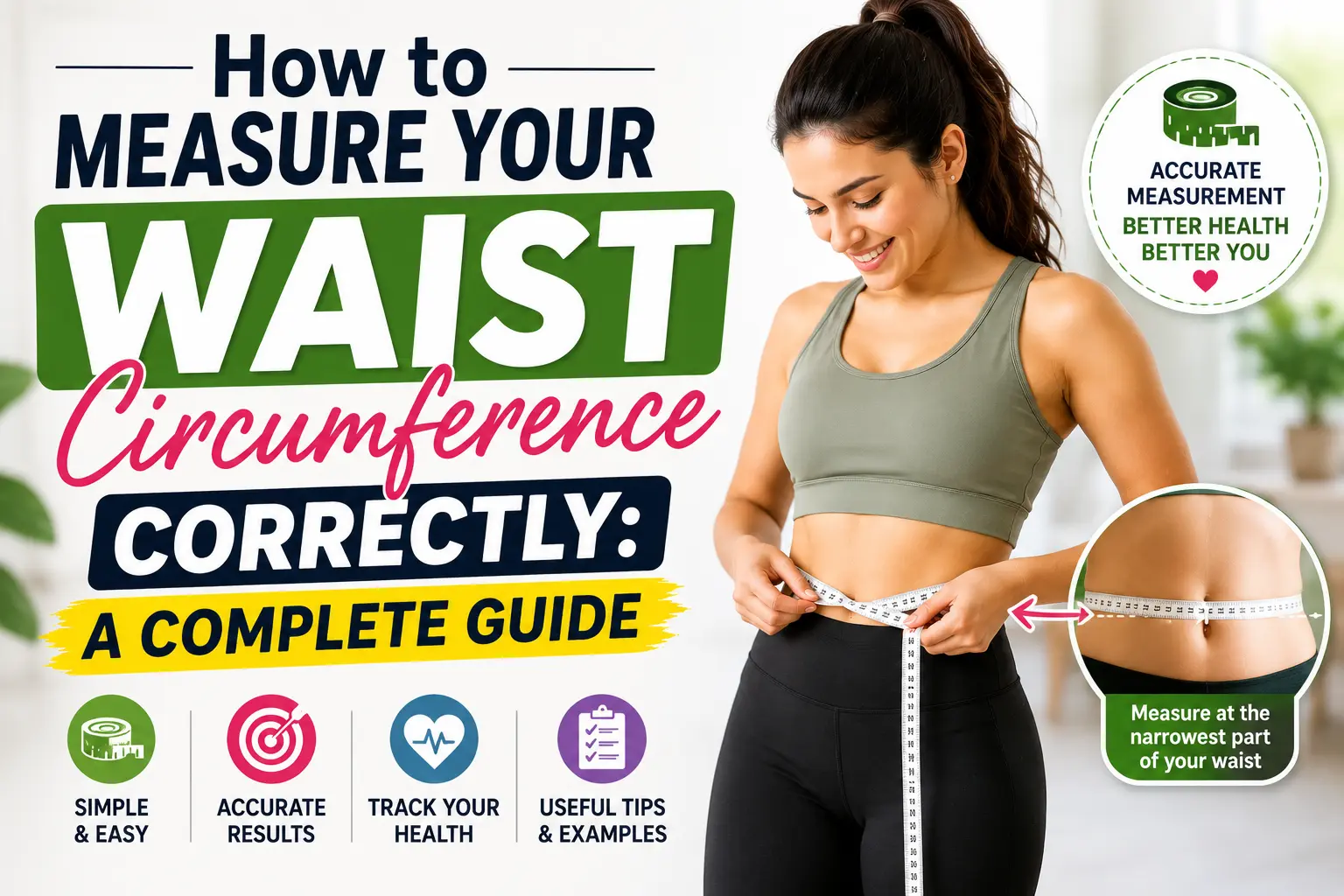
1. Waist Circumference
Waist size measures visceral fat—the dangerous fat around your organs. It's a better predictor of health risk than BMI.
Healthy waist: Women less than 80 cm (31.5 inches), Men less than 94 cm (37 inches)
2. Waist-to-Height Ratio
Your waist should be less than half your height. This rule works for everyone, regardless of age, gender, or ethnicity.
3. Body Fat Percentage
BMI can't distinguish between muscle and fat. Body fat percentage tells you exactly how much of your weight is fat.
Healthy body fat for women: 21-31%
Healthy body fat for men: 14-24%
4. Blood Pressure
Blood pressure is a direct measure of heart health. It matters more than BMI.
Healthy blood pressure: Below 120/80 mmHg
5. Blood Sugar and Cholesterol
These are direct measures of metabolic health. A person with normal BMI can still have high blood sugar or cholesterol.
How Often Should You Track Your BMI?
If you're healthy and not trying to lose weight, checking your BMI every 3-6 months is sufficient. If you're actively trying to lose or gain weight, monthly checks can help track progress.
But don't obsess over it. Your BMI can fluctuate 0.5-1 point from day to day. Focus on trends over time, not single measurements.
The Bottom Line
Is BMI worth tracking? Yes, but not by itself.
BMI is a useful screening tool. It's quick, free, and can give you a general idea of where you stand. But it's not the whole picture.
Combine BMI with waist measurement, body fat percentage, blood pressure, and blood work for a complete health assessment. And remember: health is about more than numbers. How you feel, your energy levels, and your overall quality of life matter just as much.
Know Your Numbers
Calculate your BMI, waist-to-height ratio, and get personalized health insights.
Free Health AssessmentFrequently Asked Questions
Is BMI a reliable health indicator?
BMI is reliable as a screening tool for most people. But it's not perfect. It works best for sedentary adults with average muscle mass.
Is BMI better than body fat percentage?
For most people, body fat percentage gives a more accurate picture of health. But BMI is easier to measure and track over time.
Is BMI affected by age?
BMI is calculated the same way at any age. But interpretation changes. A healthy BMI for a 25-year-old is the same as for a 60-year-old, but for seniors, a slightly higher BMI is often protective.
Is BMI outdated?
BMI has been used for decades, but it's still a useful tool. However, it should be used alongside other measurements like waist circumference and blood pressure.
Scientific References
- World Health Organization. BMI classification.
- American Heart Association. Weight and health risk.
- National Institutes of Health. Assessing your weight.
- Harvard Health. BMI vs body fat percentage.
Start Tracking Your Health
Calculate your BMI and get personalized health insights.
Free BMI CalculatorKey Takeaways
- BMI is a useful screening tool but not a complete health measurement
- It can't distinguish between muscle and fat
- It doesn't measure fat distribution or overall health
- Works best for sedentary adults with average muscle mass
- Less accurate for athletes, seniors, and Asian populations
- Waist circumference often predicts health risk better than BMI
- Combine BMI with waist measurement and blood work for a complete picture
- Healthy waist: women <80 cm (31.5 inches), men <94 cm (37 inches)
- Check BMI every 3-6 months, not daily
- Focus on overall health, not just the number
Check Your BMI
BMI Calculator
You May Also Like