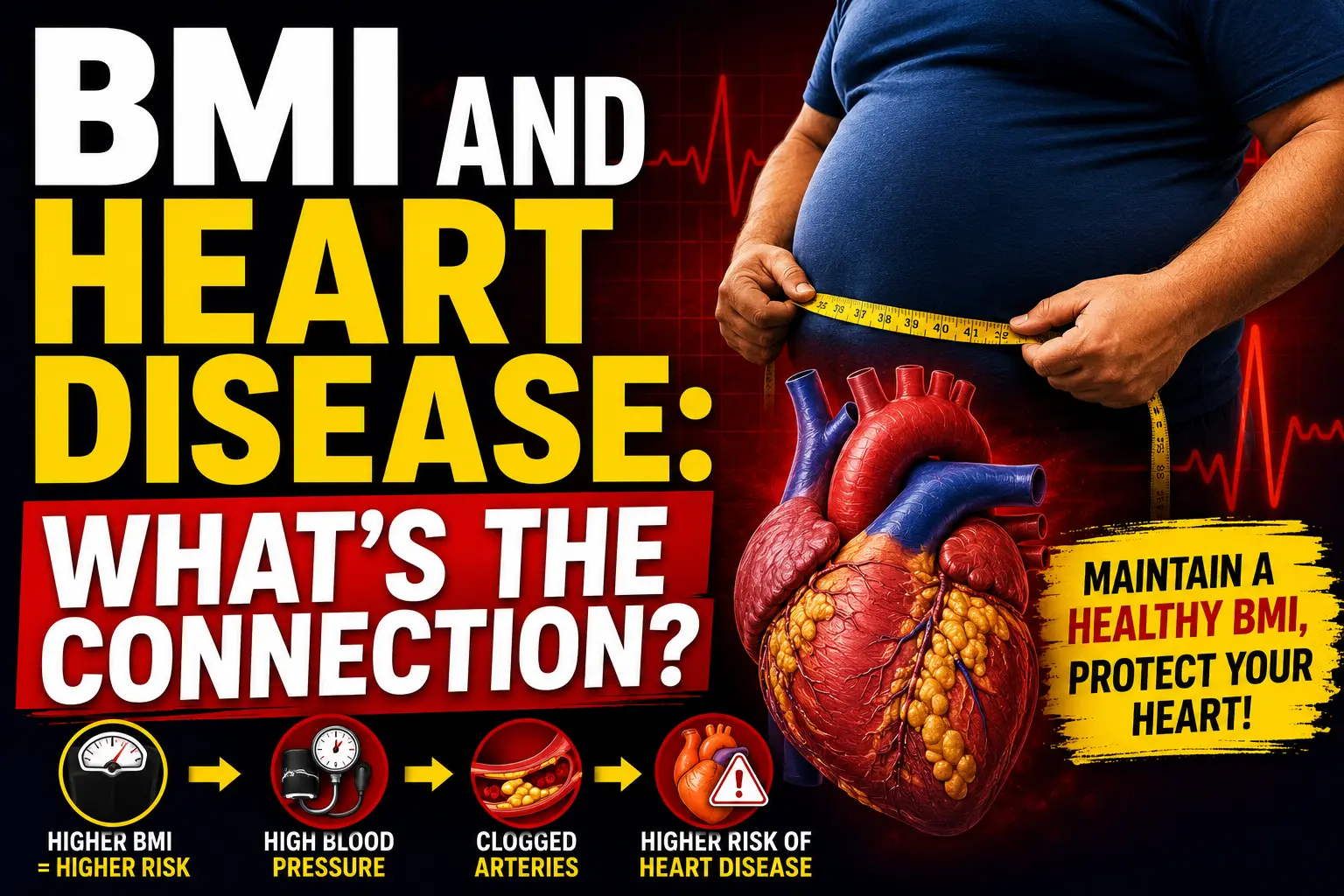
BMI and Heart Disease: What's the Connection?
BMI Calculator
Calculate Your BMIYou probably know that heart disease is the leading cause of death worldwide. And you probably know that carrying extra weight isn't great for your health. But have you ever thought about the connection between the two?
It's stronger than most people realize. Your BMI doesn't just affect how you look or how your clothes fit—it affects your heart. And the link isn't subtle.
Let's break down what the research actually says.
Calculate Your BMI
Free BMI CalculatorWhat the Research Says
Multiple large studies have shown that higher BMI is directly linked to increased heart disease risk. This isn't a weak connection—it's one of the strongest risk factors for cardiovascular disease.
Research published in the European Heart Journal found that people with obesity had a significantly higher risk of heart attack, stroke, and other cardiovascular events. The study followed thousands of people over many years and found that even modest weight gain increased risk.
Another study found that obesity alone increases the risk of heart disease by about 20-30% in adults. When you combine obesity with other risk factors like high blood pressure or diabetes, the risk climbs much higher.
For example, the Framingham Heart Study—one of the longest-running heart health studies—found that the risk of heart failure increased by 5% for men and 7% for women for every one-unit increase in BMI. That means a BMI of 30 carries about 50% higher risk of heart failure than a BMI of 25.
How Excess Weight Affects Your Heart
Carrying extra weight doesn't just sit there—it actively affects your heart. Here's how:
1. Increased Blood Pressure
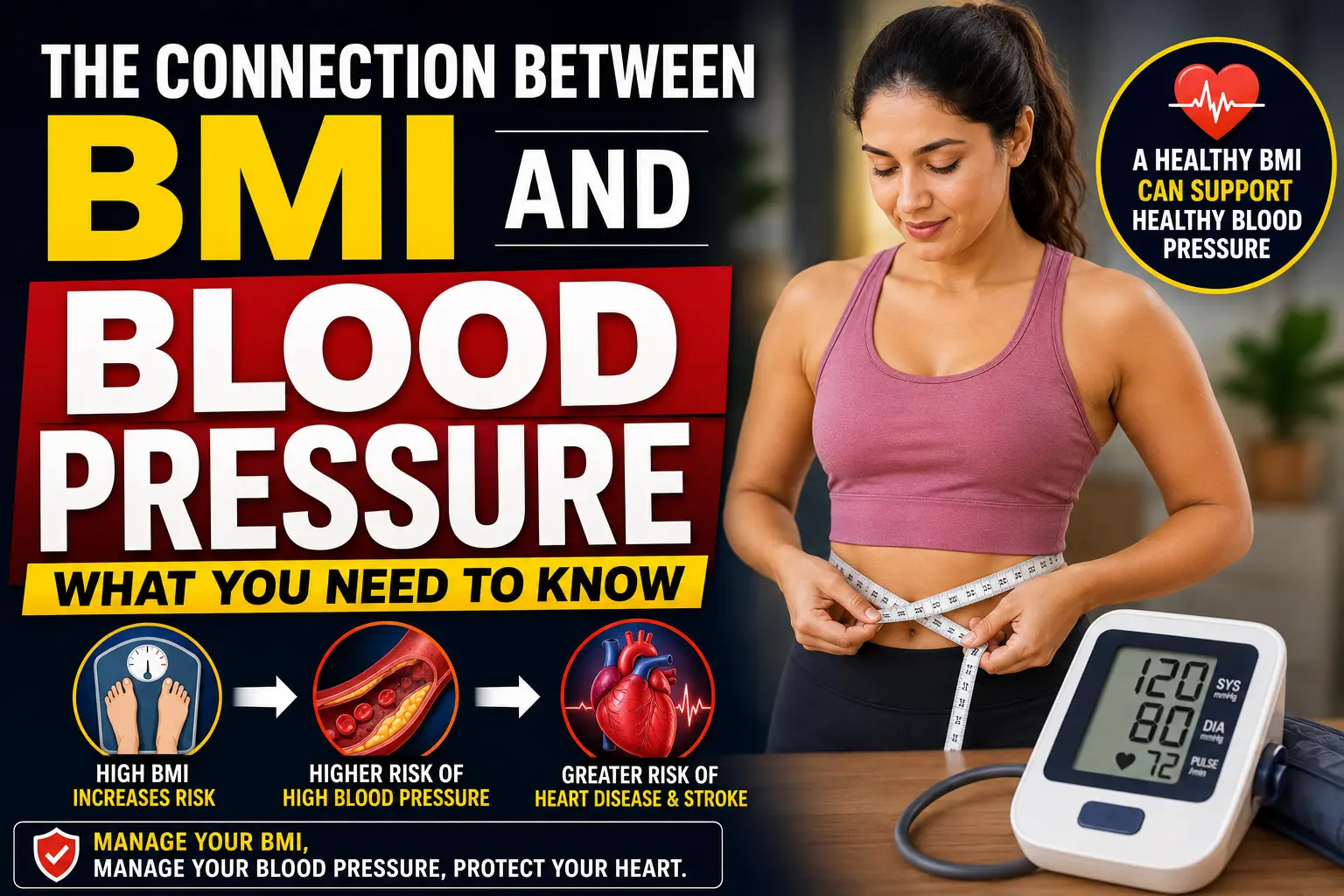
When you have more body tissue, your heart has to work harder to pump blood to all that tissue. More blood vessels mean more resistance. More resistance means higher blood pressure. Over time, high blood pressure damages your arteries and makes your heart work harder than it should.
2. Insulin Resistance
Excess weight, especially around your midsection, causes your cells to become less sensitive to insulin. Your body produces more insulin to compensate. Higher insulin levels promote inflammation and fatty deposits in your arteries. This is why people with higher BMIs are more likely to develop type 2 diabetes.
3. Inflammation
Fat tissue isn't passive—it's active. It produces inflammatory chemicals that travel through your body. Chronic inflammation damages your blood vessels and makes them more likely to develop blockages. This inflammation is a key factor in heart disease.
4. Unhealthy Cholesterol
Higher BMI is linked to higher LDL ("bad") cholesterol and lower HDL ("good") cholesterol. This unhealthy balance promotes plaque buildup in your arteries. Over time, plaque narrows your arteries and can lead to heart attack or stroke.
BMI Categories and Heart Disease Risk
| BMI Category | Heart Disease Risk |
|---|---|
| Normal (18.5-24.9) | Lowest risk—healthy weight range |
| Overweight (25-29.9) | Moderately increased risk |
| Obese Class I (30-34.9) | High risk—more likely to develop heart disease |
| Obese Class II (35-39.9) | Very high risk—significant cardiovascular risk |
| Obese Class III (40+) | Highest risk—medical evaluation recommended |
What You Can Actually Do
The good news is that even modest weight loss can reduce your heart disease risk. You don't need to reach your "ideal" weight to see benefits. Every kilogram lost makes a difference.
Losing 5-10% of your body weight can lower blood pressure, improve cholesterol, reduce inflammation, and improve insulin sensitivity. For a person weighing 80 kg, that means losing 4-8 kg—achievable within 2-3 months with consistent effort.
Walking 30 minutes daily is one of the most effective things you can do for your heart. It helps with weight management, improves circulation, and reduces stress. It's simple, free, and doesn't require equipment.
Eating more vegetables, fruits, and whole grains while reducing processed foods and added sugars helps both weight and heart health. Small changes make a big difference over time.
What About Waist Size?
BMI is useful, but waist size may be even more important for heart health. Waist circumference specifically measures visceral fat—the fat around your organs. This is the fat that directly affects your heart.
Healthy waist measurements:
- Women: Less than 80 cm (31.5 inches)
- Men: Less than 94 cm (37 inches)
Research shows that people with normal BMI but large waist have higher heart disease risk than people with overweight BMI but normal waist. This is why measuring both is important.
When to See a Doctor
If your BMI is in the overweight or obese range, talk to your doctor about your heart health. They can check your blood pressure, cholesterol, and blood sugar. They can help you create a plan that works for you.
Some people need medication to manage heart disease risk, even with weight loss. That's okay. Medication and lifestyle changes work together.
The Bottom Line
Your BMI and your heart health are connected. Carrying extra weight, especially around your midsection, increases your risk of heart disease. But you can lower that risk through consistent lifestyle changes.
Small changes add up over time. Walk more. Eat better. Sleep well. Check your numbers. Your heart will thank you.
Frequently Asked Questions
What is a healthy BMI for heart health?
A BMI below 25 is associated with the lowest heart disease risk. Even modest weight loss can help.
Can losing weight reverse heart disease?
Weight loss can improve many of the risk factors for heart disease, including blood pressure, cholesterol, and blood sugar. It may not reverse existing damage, but it can prevent further damage.
Does waist size matter more than BMI?
Waist size is a strong predictor of heart disease risk because it measures visceral fat—the fat around your organs. Both are important.
Scientific References
- American Heart Association. Obesity and heart disease.
- European Heart Journal. BMI and cardiovascular risk.
- Framingham Heart Study. BMI and heart failure risk.
Key Takeaways
- Higher BMI is directly linked to increased heart disease risk
- Obesity increases heart disease risk by 20-30% in adults
- Each BMI unit increase raises heart failure risk by 5-7%
- Excess weight affects the heart through increased blood pressure, insulin resistance, inflammation, and unhealthy cholesterol
- Waist size may be even more important than BMI for heart health
- Healthy waist: women less than 80 cm, men less than 94 cm
- Losing 5-10% of body weight improves heart health
- Walking 30 minutes daily helps both weight and heart health
- Small, consistent changes reduce heart disease risk
- Check your BMI, waist size, and blood pressure regularly
Check Your BMI
BMI Calculator
You May Also Like