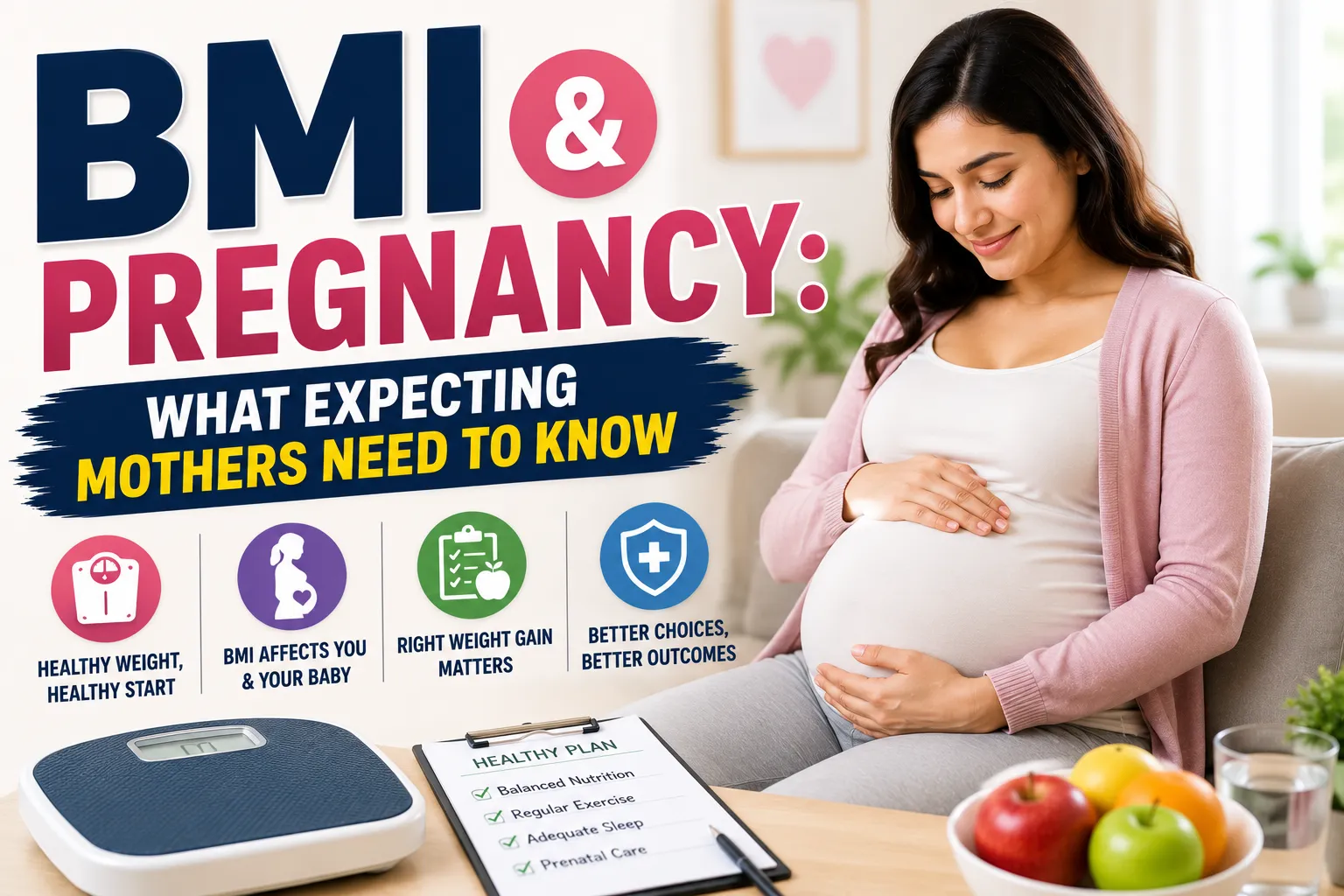
BMI and Pregnancy: What Expecting Mothers Need to Know
BMI Calculator
Calculate Your BMIYou're pregnant. Congratulations! Now you're suddenly paying attention to everything—what you eat, how you sleep, and yes, your weight.
But here's the thing: pregnancy changes everything. The BMI rules that apply when you're not pregnant don't apply when you're expecting.
Your body is growing a baby. You're supposed to gain weight. And trying to maintain your pre-pregnancy BMI during pregnancy is not only unrealistic—it's dangerous.
Here's what you actually need to know about BMI and pregnancy.
Calculate Your Pre-Pregnancy BMI
Free BMI CalculatorWhy Standard BMI Doesn't Apply During Pregnancy
When you're pregnant, your body is gaining weight for a reason. You're not just gaining fat—you're gaining:
- Baby (3-3.5 kg)
- Placenta (0.5-1 kg)
- Amniotic fluid (0.5-1 kg)
- Increased blood volume (1.5-2 kg)
- Breast tissue (0.5-1 kg)
- Fluid retention (1-2 kg)
- Fat stores for breastfeeding (2-3 kg)
This is why standard BMI categories don't apply. Your body is changing in ways that BMI wasn't designed to measure.
Pre-Pregnancy BMI and Recommended Weight Gain
The Institute of Medicine (IOM) provides guidelines for weight gain during pregnancy based on pre-pregnancy BMI:
| Pre-pregnancy BMI | Category | Recommended Total Weight Gain | Rate of Gain (2nd & 3rd Trimester) |
|---|---|---|---|
| Below 18.5 | Underweight | 12.5 - 18 kg (28-40 lbs) | 0.5 kg/week |
| 18.5 - 24.9 | Normal weight | 11.5 - 16 kg (25-35 lbs) | 0.4 kg/week |
| 25 - 29.9 | Overweight | 7 - 11.5 kg (15-25 lbs) | 0.3 kg/week |
| 30 and above | Obese | 5 - 9 kg (11-20 lbs) | 0.2 kg/week |
Source: Institute of Medicine (IOM) guidelines
Risks of Too Much Weight Gain During Pregnancy
Gaining more weight than recommended during pregnancy increases the risk of:
- Gestational diabetes: Up to 10% of women with obesity develop gestational diabetes
- Preeclampsia: 2-4 times higher risk
- Cesarean delivery: 2-3 times higher risk
- Postpartum hemorrhage: Higher risk
- Macrosomia: Large baby (over 4 kg), which increases birth complications
- Retained weight after pregnancy: Higher likelihood of keeping weight on
Risks of Too Little Weight Gain During Pregnancy
Gaining less weight than recommended also carries risks:
- Premature birth: Higher risk
- Low birth weight: Baby may be born under 2.5 kg
- Developmental delays: Nutrition deficits can affect brain development
- Poor maternal nutrition: Affects both mother and baby
Infographic: BMI and Pregnancy Weight Gain
| Pre-pregnancy BMI | Category | Recommended Gain | Weekly Gain |
|---|---|---|---|
| Under 18.5 | Underweight | 12.5-18 kg | 0.5 kg |
| 18.5-24.9 | Normal | 11.5-16 kg | 0.4 kg |
| 25-29.9 | Overweight | 7-11.5 kg | 0.3 kg |
| 30+ | Obese | 5-9 kg | 0.2 kg |
What About Waist Size During Pregnancy?
Waist circumference isn't helpful during pregnancy. Your waist will naturally expand as your baby grows. What matters is your pre-pregnancy BMI and how much weight you gain.
Healthy Eating During Pregnancy
1. Don't "Eat for Two"
You don't need to eat twice as much. In the first trimester, you don't need any extra calories. In the second trimester, you need about 300 extra calories per day. In the third trimester, you need about 450 extra calories per day.
That's not "eating for two." That's just a small snack.
2. Focus on Quality, Not Quantity
Your body needs nutrients, not just calories. Focus on foods that provide iron, calcium, folic acid, and protein.
- Iron: Red meat, spinach, fortified cereals
- Calcium: Dairy products, leafy greens, fortified plant milks
- Folic acid: Fortified cereals, leafy greens, legumes
- Protein: Eggs, lean meat, fish, tofu, beans
3. Stay Hydrated
Drink plenty of water during pregnancy. Dehydration can cause fatigue and headaches.
When to See a Doctor
Regular prenatal care is essential. Your doctor will monitor your weight, blood pressure, and baby's growth. They can help you stay within the healthy weight gain range.
Talk to your doctor if:
- You're gaining weight too quickly or too slowly
- You have concerns about your diet
- You have symptoms of gestational diabetes (excessive thirst, frequent urination, fatigue)
- You have symptoms of preeclampsia (headache, vision changes, swelling)
Know Your Numbers
Calculate your pre-pregnancy BMI and get personalized health insights.
Free Health AssessmentFrequently Asked Questions
Do I need to lose weight during pregnancy if my BMI is high?
No. Do NOT try to lose weight during pregnancy. This can harm your baby. Focus on gaining the recommended amount based on your pre-pregnancy BMI.
Can I exercise during pregnancy with high BMI?
Yes. Moderate exercise is safe and beneficial during pregnancy. Walking, swimming, and prenatal yoga are excellent options. Always consult your doctor before starting any exercise program.
When should I start gaining weight?
Most women gain little or no weight in the first trimester. Weight gain typically begins in the second trimester. If you have morning sickness, you may even lose weight early on.
Will I lose weight after pregnancy?
Breastfeeding helps with weight loss. Most women lose 5-7 kg in the first week after delivery. The rest takes time. Aim for gradual weight loss over 6-12 months.
Scientific References
- Institute of Medicine. Weight Gain During Pregnancy.
- American College of Obstetricians and Gynecologists. Obesity and pregnancy.
- World Health Organization. Pregnancy and weight.
Know Your Numbers
Calculate your pre-pregnancy BMI and get personalized health insights.
Free BMI CalculatorKey Takeaways
- Standard BMI doesn't apply during pregnancy
- Weight gain is necessary for baby's growth and development
- Pre-pregnancy BMI determines healthy weight gain range
- Underweight: 12.5-18 kg, Normal: 11.5-16 kg, Overweight: 7-11.5 kg, Obese: 5-9 kg
- Do NOT try to lose weight during pregnancy
- Focus on food quality, not quantity
- Stay hydrated and get regular prenatal care
- Moderate exercise is safe during pregnancy
- First trimester: no extra calories needed
- Second trimester: 300 extra calories/day, Third trimester: 450 extra/day
- Breastfeeding helps with postpartum weight loss
Check Your BMI
BMI Calculator
You May Also Like