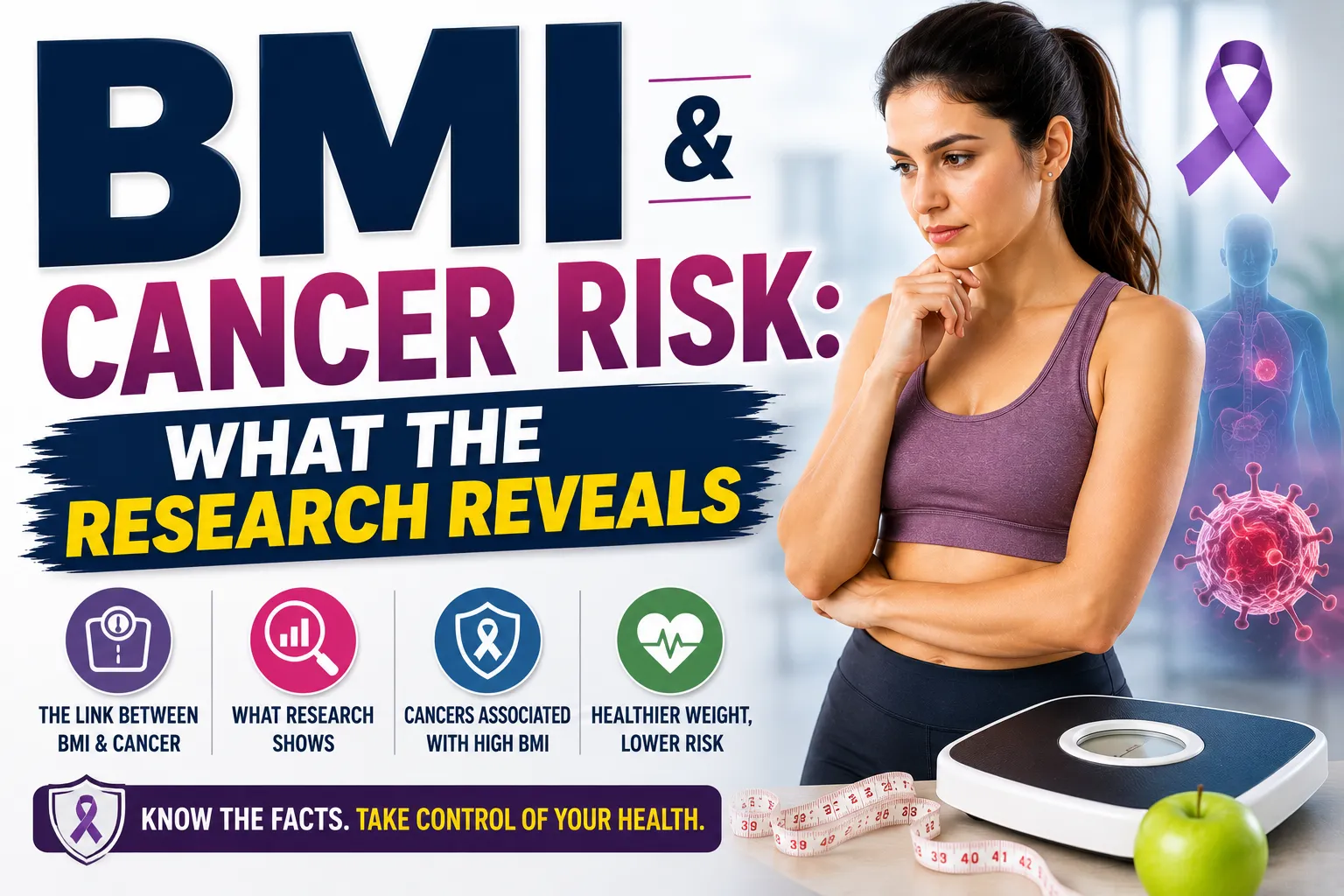
BMI and Cancer Risk: What the Research Reveals
BMI Calculator
Calculate Your BMIYou know that smoking causes cancer. You know that sun exposure causes skin cancer. But did you know that your weight can also affect your cancer risk?
The connection between BMI and cancer is real. And it's stronger than most people realize.
Research shows that excess body weight is linked to at least 13 different types of cancer. But here's the good news: you can lower your risk.
Calculate Your BMI
Free BMI CalculatorWhat the Research Says
The International Agency for Research on Cancer (IARC) has identified 13 cancers that are linked to excess body weight. These include:
- Breast cancer (postmenopausal)
- Colorectal cancer
- Endometrial cancer
- Esophageal adenocarcinoma
- Gallbladder cancer
- Kidney cancer
- Liver cancer
- Ovarian cancer
- Pancreatic cancer
- Prostate cancer (advanced)
- Stomach cancer
- Thyroid cancer
- Multiple myeloma
A large study published in the New England Journal of Medicine found that higher BMI is associated with increased risk of these cancers. The risk increases with higher BMI.
For example, a woman with a BMI of 30 has a 20-40% higher risk of breast cancer than a woman with a BMI of 22. The risk of endometrial cancer is 2-4 times higher in women with obesity.
How Weight Affects Cancer Risk
There are several ways that excess body weight increases cancer risk:
1. Chronic Inflammation
Fat tissue produces inflammatory chemicals. Chronic inflammation damages cells and can lead to cancer. This is why people with higher BMIs have higher levels of inflammation markers in their blood.
2. Hormonal Changes
Fat tissue produces estrogen. Higher estrogen levels increase the risk of breast, endometrial, and ovarian cancers. This is particularly important for postmenopausal women.
In men, excess weight is linked to higher insulin and insulin-like growth factor (IGF-1), which promote cancer cell growth.
3. Insulin Resistance
Excess weight causes insulin resistance. Your body produces more insulin to compensate. High insulin levels promote cancer cell growth. This is why people with type 2 diabetes have higher cancer rates.
4. Fatty Liver Disease
Excess fat in the liver can lead to non-alcoholic fatty liver disease (NAFLD). This increases the risk of liver cancer. Up to 90% of people with BMI over 30 have NAFLD.
BMI and Cancer Risk by Category
| BMI Category | Cancer Risk |
|---|---|
| Normal (18.5-24.9) | Baseline risk |
| Overweight (25-29.9) | 10-20% higher risk |
| Obese Class I (30-34.9) | 20-40% higher risk |
| Obese Class II (35-39.9) | 40-60% higher risk |
| Obese Class III (40+) | 60%+ higher risk |
Infographic: BMI and Cancer Risk
| BMI | Category | Cancer Risk |
|---|---|---|
| 18.5-24.9 | Normal | Baseline |
| 25-29.9 | Overweight | 10-20% higher |
| 30-34.9 | Obese I | 20-40% higher |
| 35-39.9 | Obese II | 40-60% higher |
| 40+ | Obese III | 60%+ higher |
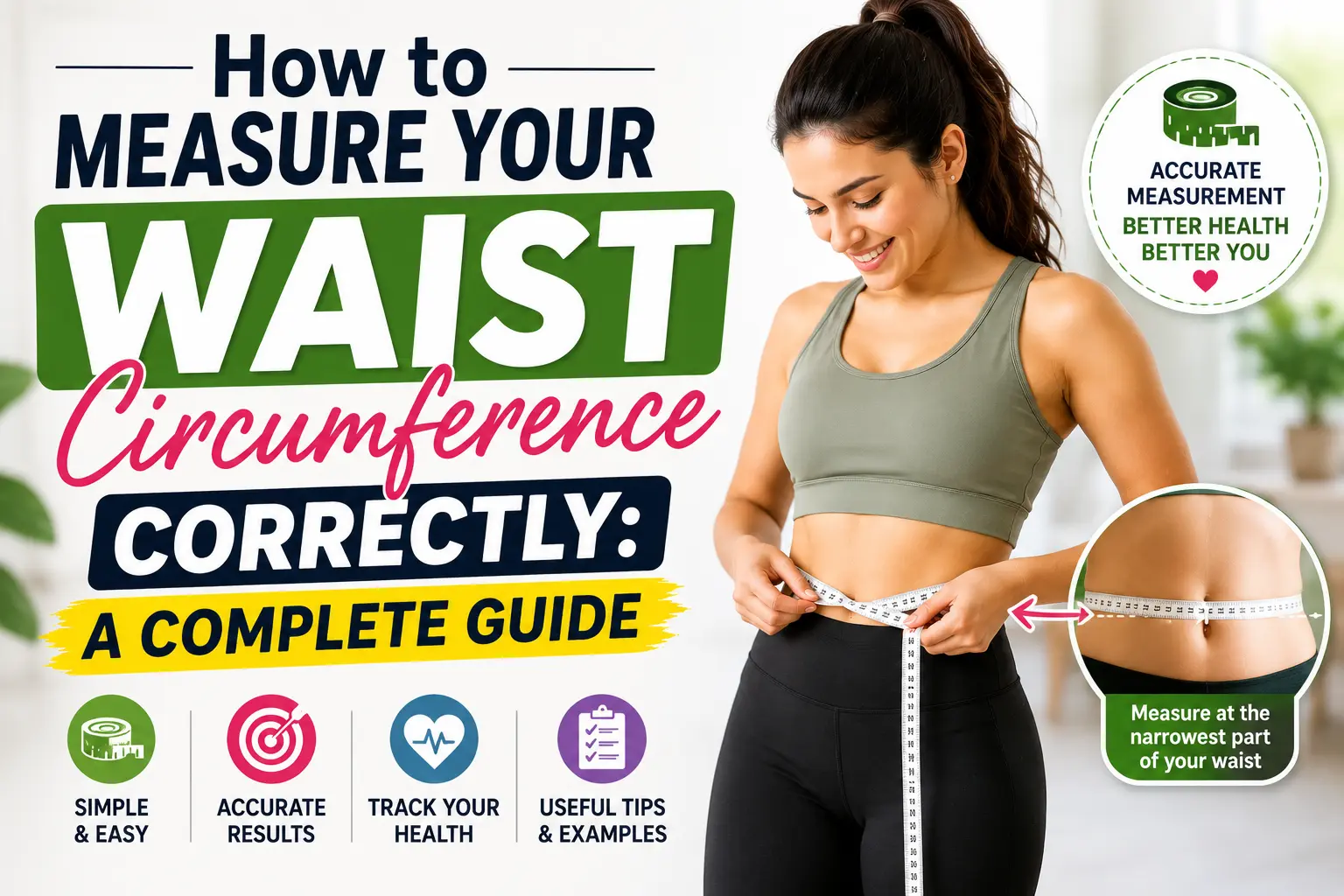
What About Waist Size?
Waist circumference is also linked to cancer risk. Visceral fat—the fat around your organs—is particularly harmful. It produces inflammatory chemicals that damage cells and increase cancer risk.
Healthy waist measurements:
- Women: Less than 80 cm (31.5 inches)
- Men: Less than 94 cm (37 inches)
- Waist-to-Height Ratio: Less than 0.5 for everyone
Research shows that people with normal BMI but high waist have higher cancer risk than people with overweight BMI but normal waist.
What You Can Do
1. Know Your Numbers
Calculate your BMI. Measure your waist. These are simple, free tools that help you understand your risk.
2. Lose 5-10% of Your Body Weight
Even modest weight loss reduces cancer risk. For a person weighing 80 kg, losing 4-8 kg makes a difference. This reduces inflammation, lowers estrogen, and improves insulin sensitivity.
3. Walk 30 Minutes Daily
Walking reduces inflammation and helps with weight management. It's simple, free, and effective. It also reduces cancer risk independently of weight loss.
4. Eat More Fiber
Fiber reduces cancer risk by improving digestion and reducing inflammation. Aim for 30-35g daily from vegetables, fruits, beans, and whole grains.
5. Limit Processed Foods
Processed foods are often high in calories and low in nutrients. They contribute to weight gain and inflammation. Focus on whole foods.
6. Strength Train 2-3 Times Weekly
Muscle improves metabolism and insulin sensitivity. It also helps with weight management. Bodyweight exercises work well.
7. Don't Smoke
Smoking combined with high BMI multiplies cancer risk. If you smoke, quitting is the most important thing you can do for your health.
Early Detection Matters
If your BMI is high, talk to your doctor about screening. Early detection of cancer improves outcomes significantly. Screening tests are available for many of the cancers linked to BMI.
Women with high BMI should be particularly aware of breast and endometrial cancer screening. Men should be aware of colorectal and prostate cancer screening.
When to See a Doctor
Talk to your healthcare provider if:
- Your BMI is 25 or higher
- Your waist circumference exceeds healthy limits
- You have other risk factors (family history, smoking, diabetes)
- You've noticed unusual symptoms
- You want help with weight management
Frequently Asked Questions
Does obesity cause cancer?
Obesity doesn't directly cause cancer, but it increases the risk of developing many types of cancer. The risk increases with higher BMI.
Can losing weight reduce cancer risk?
Yes. Losing weight reduces inflammation, lowers estrogen, and improves insulin sensitivity. All of these reduce cancer risk.
Does waist size matter for cancer risk?
Yes. Waist size measures visceral fat, which is particularly harmful. People with large waists have higher cancer risk regardless of BMI.
How quickly can weight loss reduce cancer risk?
Cancer risk reduction begins with weight loss. The benefits increase as you maintain a healthy weight over time.
Scientific References
- International Agency for Research on Cancer. Body fatness and cancer.
- New England Journal of Medicine. BMI and cancer risk.
- American Cancer Society. Weight and cancer risk.
- World Health Organization. Obesity and cancer.
Key Takeaways
- Excess body weight is linked to at least 13 types of cancer
- Women with BMI 30 have 20-40% higher risk of breast cancer
- Obesity increases endometrial cancer risk by 2-4 times
- Chronic inflammation, hormonal changes, and insulin resistance are the links
- Waist circumference also matters for cancer risk
- Losing 5-10% of body weight reduces cancer risk
- Walk 30 minutes daily to reduce inflammation
- Eat more fiber (30-35g daily) to reduce cancer risk
- Regular screening is important for early detection
- Talk to your doctor about your cancer risk
Check Your BMI
BMI Calculator
You May Also Like