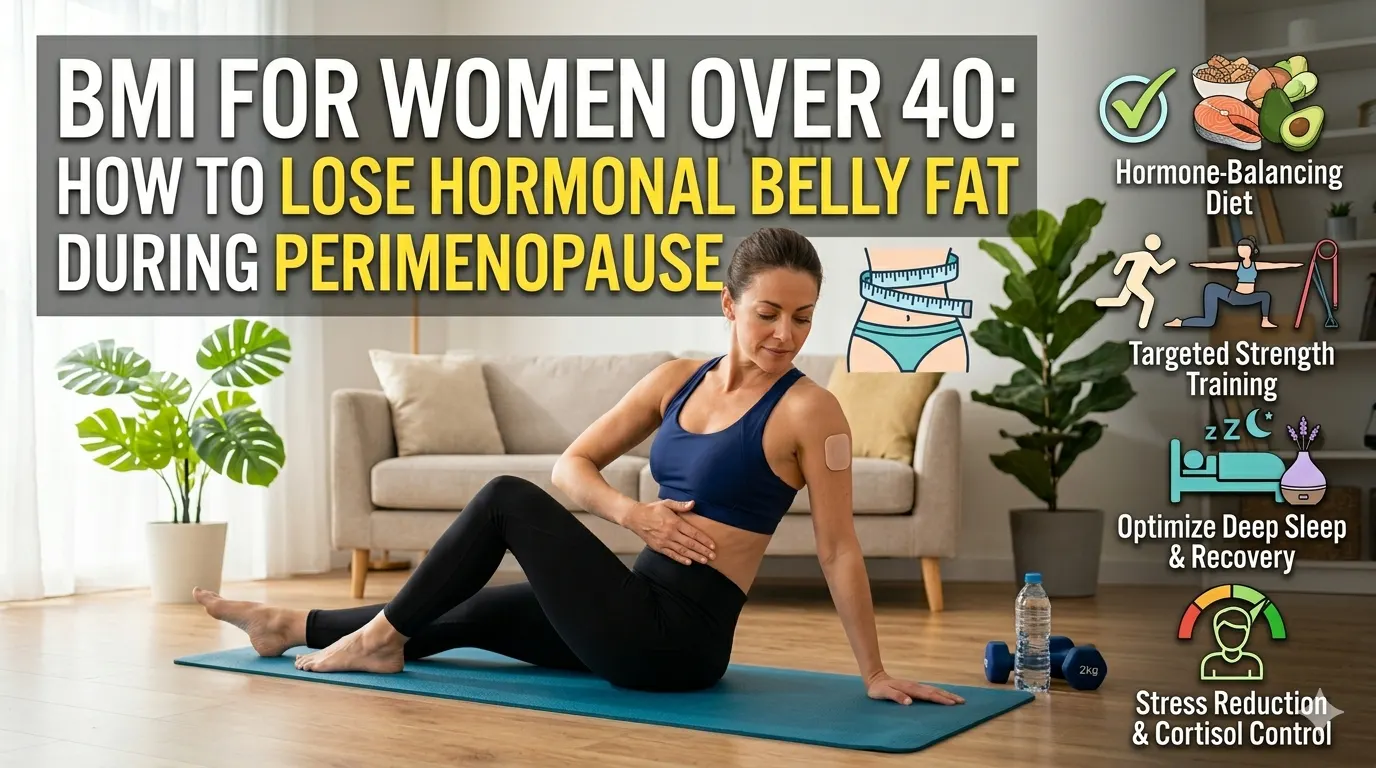
BMI for Women Over 40: How to Lose Hormonal Belly Fat During Perimenopause
BMI Calculator
Calculate Your BMIYou've hit 40, and suddenly the weight loss strategies that worked in your 20s and 30s don't work anymore. You're eating less, exercising more, but the belly fat keeps accumulating. Sound familiar?
You're not alone - and it's not your fault. Hormonal belly fat during perimenopause is a real physiological phenomenon that affects millions of women. The good news? Once you understand what's happening in your body, you can take targeted action to lose it.
📊 Calculate Your BMI as a Woman Over 40
Free BMI Calculator →Why Perimenopause Changes Everything for Your BMI
Perimenopause typically begins in your early 40s (sometimes late 30s) and lasts until menopause (average age 51). During this transition, your hormones don't just decline - they fluctuate wildly. This hormonal roller coaster directly affects:
- Where your body stores fat (hello, belly!)
- How your body responds to insulin (more belly fat storage)
- Your metabolism (slows down by 10-15%)
- Your appetite and cravings (increased)
- Your sleep quality (impacts weight loss)
Understanding these changes is the first step to losing hormonal belly fat.
What is a Healthy BMI for Women Over 40?
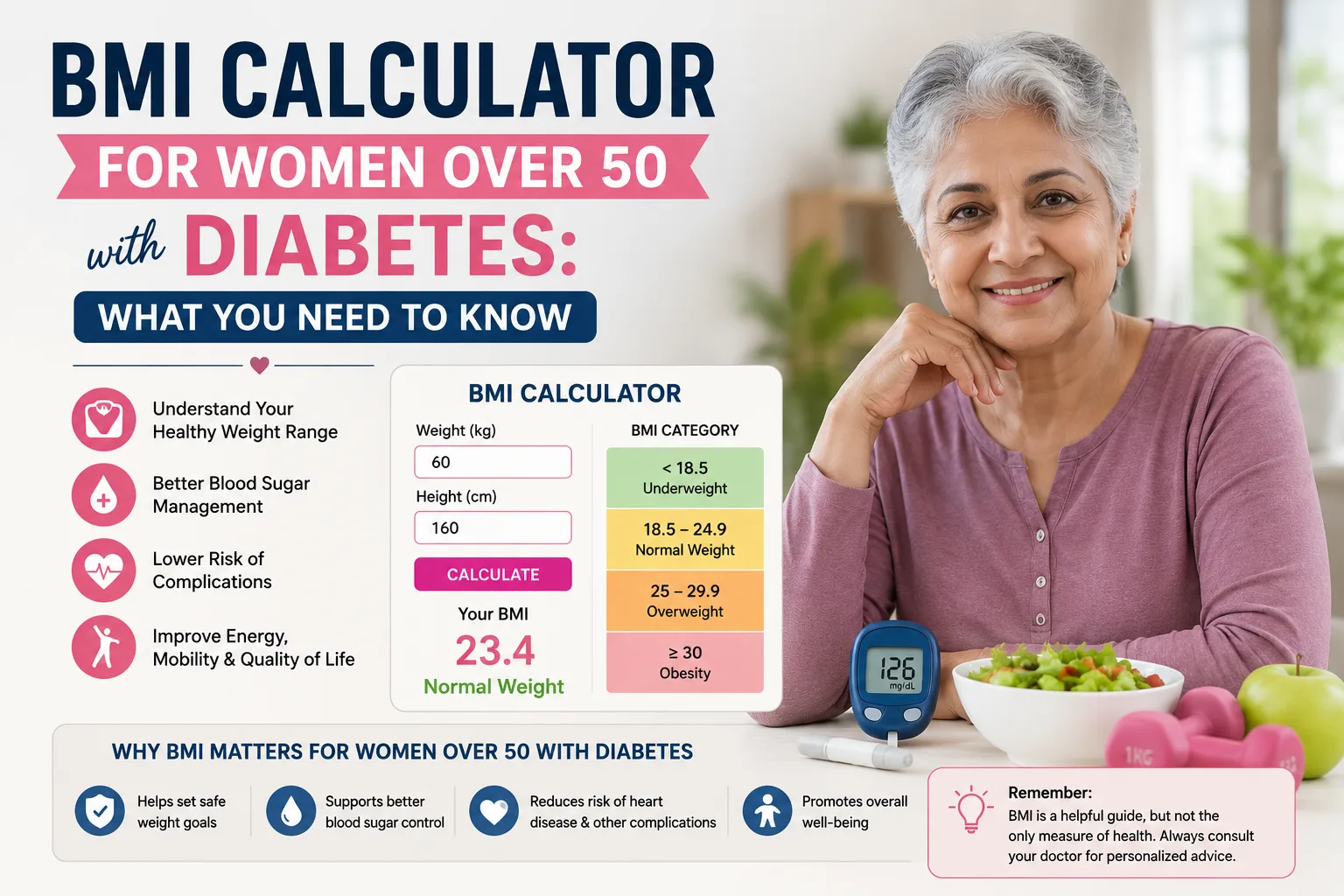
The World Health Organization (WHO) BMI categories apply to women over 40 as well:
- Underweight: Below 18.5
- Normal weight: 18.5 - 24.9
- Overweight: 25 - 29.9
- Obese: 30 and above
However, for women over 40, body composition matters more than BMI alone. Two women with the same BMI can have very different health outcomes based on their muscle mass and where they carry fat.
Why BMI Alone Isn't Enough After 40
- Women naturally lose 3-5% of muscle mass per decade after 30
- Lower muscle mass means a normal BMI can hide excess body fat
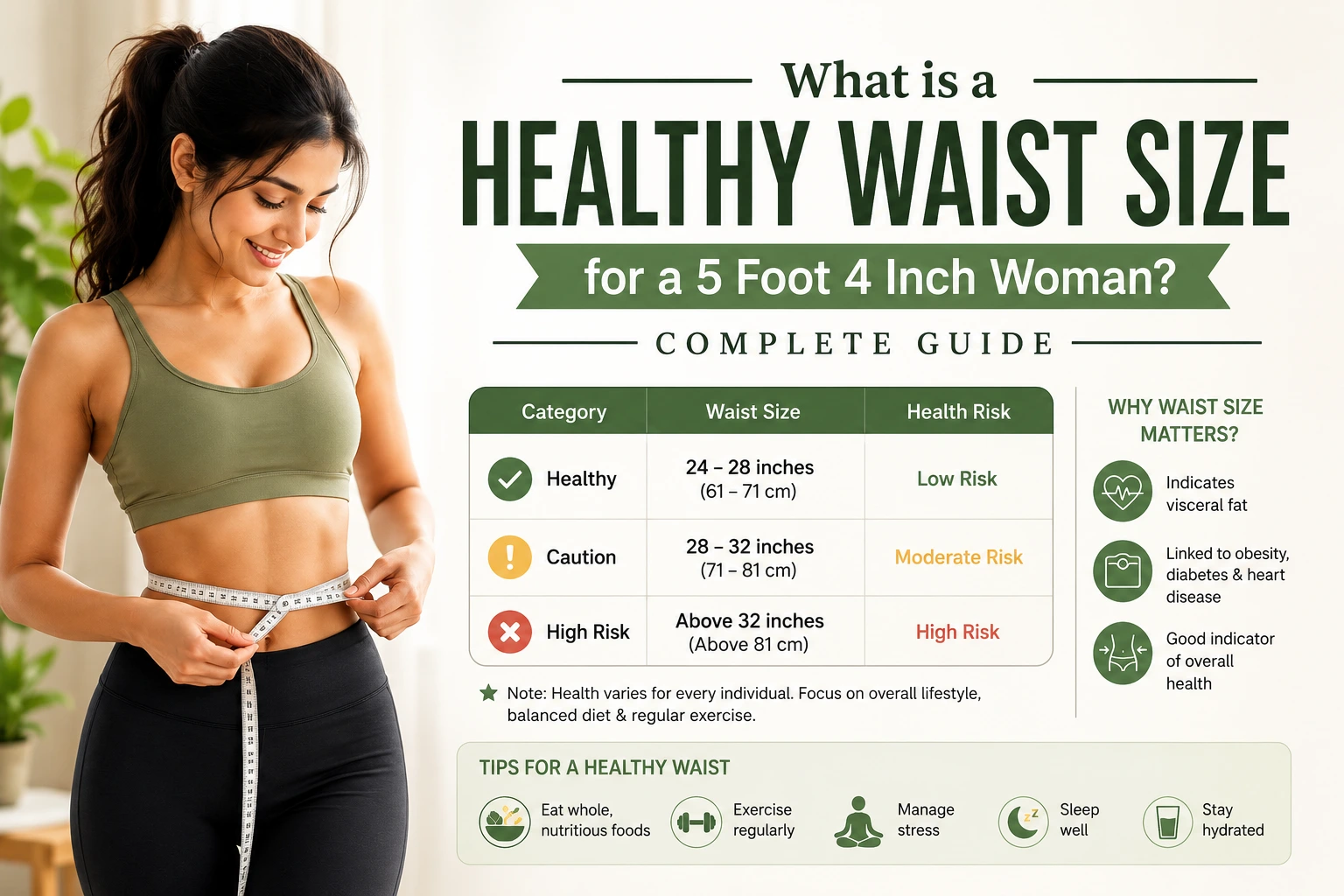
- Waist circumference becomes a better predictor of health risk than BMI
- Healthy waist for women: less than 80 cm (31.5 inches)
📏 Measure Your Waist-to-Height Ratio
Calculate BMI + Waist Ratio →The Science of Hormonal Belly Fat
Let's break down what's actually happening in your body during perimenopause.
1. Estrogen Decline and Fat Redistribution
Estrogen helps store fat in your hips and thighs (pear shape). When estrogen drops, your body starts storing fat in your abdomen (apple shape). This is why you suddenly notice belly fat even if your weight hasn't changed much.
2. Insulin Resistance Increases
Falling estrogen makes your cells less sensitive to insulin. This means your body needs to produce more insulin to process blood sugar. High insulin levels tell your body to store fat - specifically around your belly.
3. Cortisol (Stress Hormone) Rises
Perimenopause often comes with increased stress, sleep problems, and anxiety - all of which raise cortisol. High cortisol directly increases belly fat storage. It's a vicious cycle.
4. Muscle Mass Declines
Lower estrogen and progesterone reduce your body's ability to build and maintain muscle. Less muscle means a slower metabolism, making weight loss harder.
15 Science-Backed Strategies to Lose Hormonal Belly Fat After 40
1. Prioritize Protein at Every Meal
Women over 40 need more protein than younger women to maintain muscle mass. Aim for 25-30 grams of protein per meal (1.5g per kg of body weight).
Great protein sources: Eggs, Greek yogurt, cottage cheese, chicken, fish, tofu, lentils, protein shakes.
2. Add Strength Training 2-3 Times Weekly
This is non-negotiable for women over 40. Strength training builds muscle, which boosts your metabolism 24/7. It also improves insulin sensitivity - directly counteracting hormonal belly fat.
Home exercises: Squats, lunges, push-ups, planks, resistance band exercises, light dumbbells (3-10 lbs).
3. Walk After Meals
A 10-15 minute walk immediately after meals reduces blood sugar spikes by 30-40%. Lower blood sugar means lower insulin, which means less belly fat storage. This is one of the most effective strategies for perimenopausal women.
4. Eat More Fiber (30-35g Daily)
Fiber helps balance blood sugar, reduces inflammation, and keeps you full. Most women eat only 15g of fiber daily.
High-fiber foods: Oats, flaxseeds, chia seeds, beans, lentils, broccoli, berries, avocados, artichokes.
5. Reduce Sugar and Refined Carbs
Your insulin sensitivity is already decreased during perimenopause. Adding sugar and white flour products makes it worse. Cut back on:
- Soda, sweet tea, fruit juice
- White bread, white rice, pasta
- Crackers, chips, pastries, cookies
- Flavored yogurts, sugary cereals
🍽️ Track Your Nutrition
Calculate Your BMI →6. Get 7-8 Hours of Sleep
Sleep deprivation increases cortisol and ghrelin (hunger hormone) while decreasing leptin (satiety hormone). Poor sleep directly increases belly fat storage.
Sleep tips for perimenopause: Keep bedroom cool (65-68°F), no screens 1 hour before bed, consider magnesium glycinate supplement.
7. Manage Stress Intentionally
Chronic stress raises cortisol, which tells your body to store fat around your belly. You need active stress management during perimenopause.
Stress reducers that work: Deep breathing (5 minutes), morning walks, yoga, meditation, journaling, talking to friends.
8. Eat Healthy Fats
Healthy fats support hormone production and reduce inflammation. Don't fear fat - fear processed vegetable oils and trans fats.
Healthy fat sources: Avocados, olive oil, nuts (walnuts, almonds), seeds (flax, chia, pumpkin), fatty fish (salmon, sardines).
9. Try Intermittent Fasting (12:12 or 14:10)
Longer fasting windows (12-14 hours) can improve insulin sensitivity and help burn belly fat. Start with 12 hours (e.g., 7 PM to 7 AM), gradually increase to 14 hours if tolerated.
Important: Intermittent fasting isn't for everyone. If you have blood sugar issues or a history of eating disorders, consult your doctor first.
10. Consider Your Alcohol Intake
Alcohol is metabolized by your liver and directly contributes to belly fat storage. Women over 40 often find they need to reduce alcohol significantly to lose hormonal belly fat.
Guideline: Limit to 2-3 drinks weekly, preferably wine or clear liquor with soda water.
11. Eat More Fermented Foods
Gut health affects weight, inflammation, and hormonal balance. Fermented foods support healthy gut bacteria.
Fermented foods: Yogurt, kefir, sauerkraut, kimchi, kombucha, miso.
12. Don't Skip Meals
Skipping meals often leads to blood sugar crashes and overeating later. Eating regular, balanced meals every 3-4 hours helps stabilize blood sugar and reduces belly fat storage.
13. Track Your Waist, Not Just Weight
Your weight may fluctuate daily due to water retention, hormones, and other factors. Your waist measurement is a more reliable indicator of belly fat loss.
How to measure: At the midpoint between lowest rib and hip bone, at the end of a normal exhalation.
📏 Track Your Progress
Calculate BMI + Waist Ratio →14. Be Patient and Consistent
Hormonal belly fat takes longer to lose than regular fat. Don't expect overnight results. Focus on consistency, not perfection. The women who succeed are those who stick with it for months, not weeks.
15. Talk to Your Doctor About HRT
Hormone replacement therapy (HRT) can help some women manage perimenopause symptoms, including weight gain. It's not right for everyone, but it's worth discussing with your healthcare provider.
Sample One-Day Meal Plan for Perimenopause
Breakfast (8:00 AM): Greek yogurt (20g protein) with berries, chia seeds, and walnuts
Lunch (12:00 PM): Large salad with grilled chicken, avocado, olive oil and vinegar dressing
Afternoon snack (3:00 PM): Apple with peanut butter, hard-boiled egg
Dinner (6:00 PM): Baked salmon with roasted Brussels sprouts and quinoa
Evening (8:00 PM): Herbal tea, small handful of almonds
Sample Weekly Movement Plan for Women Over 40
- Monday: 30-minute walk after dinner + 15-minute strength training (squats, lunges, push-ups)
- Tuesday: 45-minute walk
- Wednesday: 30-minute walk + 15-minute strength training
- Thursday: 45-minute walk
- Friday: 30-minute walk + 15-minute strength training
- Saturday: 60-minute walk or hike
- Sunday: Rest or gentle stretching, 20-minute walk
🚀 Start Your Perimenopause Weight Loss Journey
Track your BMI and waist circumference weekly. Small changes add up to big results.
Calculate Your BMI →When to See a Doctor
Consult your healthcare provider if:
- You're gaining weight rapidly despite diet and exercise
- You have severe perimenopause symptoms affecting quality of life
- Your waist circumference exceeds 88 cm (34.6 inches)
- You have a family history of diabetes, heart disease, or breast cancer
- You're considering hormone replacement therapy (HRT)
Frequently Asked Questions
Why can't I lose belly fat after 40?
Hormonal changes during perimenopause cause fat redistribution to your belly, decreased insulin sensitivity, slower metabolism, and increased cortisol. Traditional weight loss strategies often fail because they don't address these hormonal factors.
What is the best diet for perimenopause belly fat?
A diet rich in protein (25-30g per meal), fiber (30-35g daily), healthy fats, and low in sugar and refined carbs works best. Focus on whole foods - vegetables, lean proteins, whole grains, nuts, seeds, and fermented foods.
Can intermittent fasting help with hormonal belly fat?
Yes, intermittent fasting can improve insulin sensitivity and help burn belly fat. Start with 12:12 (fast 12 hours, eat within 12 hours) and gradually increase to 14:10 if tolerated. Consult your doctor first if you have blood sugar issues.
Does HRT help with weight gain during perimenopause?
HRT isn't a weight loss treatment, but it can help manage symptoms (hot flashes, sleep problems, mood swings) that make weight loss harder. Some women find they lose belly fat more easily on HRT. Discuss with your doctor.
How long does it take to lose hormonal belly fat?
With consistent diet and exercise, most women start seeing noticeable belly fat loss within 8-12 weeks. Hormonal belly fat takes longer to lose than regular fat, so be patient.
❤️ You Can Do This
Millions of women have lost hormonal belly fat during perimenopause. You can too. Start with one small change today.
Get Your Free BMI Report →Scientific References
- World Health Organization. (2021). Obesity and overweight. WHO Fact Sheet.
- North American Menopause Society. Weight management during perimenopause.
- Harvard Health. Abdominal fat and what to do about it.
- Mayo Clinic. (2023). Perimenopause weight gain: Why it happens.
- Journal of Clinical Endocrinology & Metabolism. Estrogen and body fat distribution.
📱 Calculate Your BMI and Track Your Progress
Free, fast, and clinical-grade. Get personalized health insights for women over 40.
Calculate Now →Check Your BMI
BMI Calculator
You May Also Like