The Connection Between BMI and Blood Pressure: What You Need to Know
BMI Calculator
Calculate Your BMIYou probably know that high blood pressure is bad for your heart. And you probably know that carrying extra weight isn't great for your health either. But have you ever stopped to think about whether these two things are connected?
They are. And the connection is stronger than most people realize.
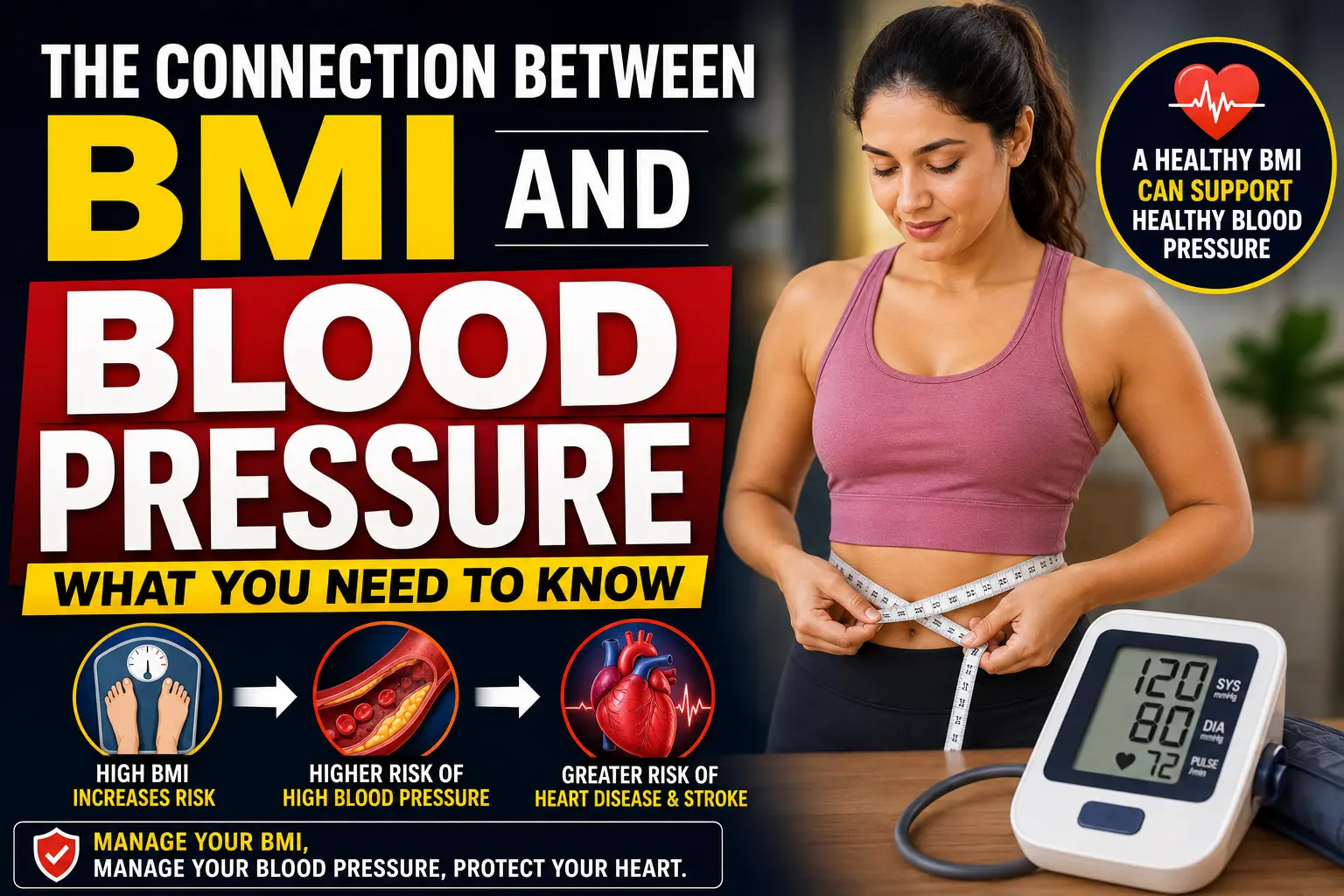
Your BMI and your blood pressure aren't separate health concerns. They're deeply intertwined. As your BMI goes up, so does your blood pressure. And the opposite is also true—when you lose weight, your blood pressure often comes down.
This isn't just about numbers on a chart. It's about your heart, your arteries, and your long-term health. Let's break down what the research actually says and what it means for you.
Calculate Your BMI
Free BMI CalculatorWhat the Research Actually Says
Multiple large-scale studies have shown a direct, clear relationship between BMI and blood pressure. The higher your BMI, the higher your likelihood of having high blood pressure. This isn't a weak association—it's one of the strongest connections in medical research.
One study that followed thousands of adults over several years found that weight gain was one of the most important factors in the development of high blood pressure. People who gained weight during the study were much more likely to develop hypertension than those who maintained their weight.
Another study looked at data from over 200,000 people and found that BMI was independently associated with high blood pressure, even after adjusting for other risk factors like age, smoking, and physical activity level. That means the connection between weight and blood pressure isn't just a coincidence—it's real.
In fact, some researchers estimate that up to 70% of hypertension cases in adults could be attributed to excess body weight. That's a staggering number. It means that for many people, managing weight is one of the most effective things they can do to control their blood pressure.
How Excess Weight Affects Your Blood Pressure
If you're carrying extra weight, especially around your midsection, your blood pressure is likely to be higher. But why? There are several reasons:
Increased blood volume: Your body has more tissue, which means it needs more blood vessels. More blood vessels mean more blood. Your heart has to work harder to pump blood through your body. Over time, this extra work raises your blood pressure.
Hormonal effects: Fat tissue isn't just passive storage. It's active. It produces hormones and chemicals that affect your blood pressure. Some of these chemicals cause your blood vessels to constrict. Others affect how your kidneys handle salt and water. Both effects raise blood pressure.
Insulin resistance: When you carry excess weight, your cells become less sensitive to insulin. This condition, called insulin resistance, is linked to higher blood pressure. Your body releases more insulin to compensate, and that extra insulin raises blood pressure.
Sleep apnea: Carrying extra weight, especially around your neck and throat, increases your risk of sleep apnea. Sleep apnea causes your breathing to stop and start during sleep. This stresses your cardiovascular system and raises your blood pressure.
Inflammation: Excess fat tissue produces inflammatory chemicals. Chronic inflammation damages blood vessels, making them stiffer and less flexible. Stiffer blood vessels mean higher blood pressure.
Risk Levels by BMI Category
| BMI Category | Blood Pressure Risk |
|---|---|
| Normal (18.5-24.9) | Lowest risk—your blood pressure is likely in a healthy range |
| Overweight (25-29.9) | Increased risk—you may have elevated blood pressure or be close to it |
| Obese Class I (30-34.9) | High risk—blood pressure issues become more common |
| Obese Class II (35-39.9) | Very high risk—hypertension is likely present |
| Obese Class III (40+) | Highest risk—blood pressure management is critical |
What You Can Actually Do
Here's the good news: even modest weight loss can help lower your blood pressure. You don't need to reach your "ideal" weight to see benefits. Every kilogram lost makes a difference.
Losing 5-10% of your body weight can significantly reduce blood pressure. For a person weighing 80 kg, that means losing 4-8 kg. That's achievable within 2-3 months with consistent effort.
Walking 30 minutes daily is one of the most effective things you can do. It lowers blood pressure, reduces stress, and helps with weight management. It's simple, free, and doesn't require any special equipment.
Reducing sodium and sugar intake helps lower both blood pressure and BMI together. Processed foods are the main source of sodium and sugar in most diets. Cooking at home gives you control over what goes into your food.
Strength training 2-3 times weekly improves insulin sensitivity and blood pressure control. It also builds muscle, which raises your metabolism and makes weight management easier.
Getting enough sleep is often overlooked. Poor sleep raises stress hormones, which raise blood pressure. Aim for 7-8 hours of quality sleep per night.
When to See a Doctor
If your BMI is in the overweight or obese range and your blood pressure is elevated, it's worth talking to your doctor. They can help you create a plan that works for you.
Some people need medication to lower their blood pressure, even with weight loss. That's okay. Medication and lifestyle changes work together. They're not alternatives—they're partners.
Your doctor can also check for other factors that might be affecting your blood pressure, such as kidney issues, thyroid problems, or hormonal imbalances.
The Big Picture
Your BMI and your blood pressure are connected because your heart and your blood vessels are affected by your weight. This isn't about looking a certain way—it's about your health.
If you're carrying extra weight, you're not alone. Millions of adults are in the same position. But you can take control of your health by making small, sustainable changes. Walking more. Eating better. Sleeping well.
These changes don't have to be dramatic. In fact, small changes that you can maintain are better than big changes you can't. It's not about being perfect—it's about being consistent.
Check your BMI. Check your blood pressure. Talk to your doctor. And take it one step at a time.
Start Tracking Your Health
Calculate your BMI and get personalized health insights.
Free Health AssessmentFrequently Asked Questions
Does losing weight always lower blood pressure?
For most people, yes. Weight loss reduces the strain on your heart and blood vessels. Some people may still need medication, but weight loss is a key part of managing blood pressure.
What is a healthy BMI for blood pressure?
A BMI below 25 is associated with the lowest blood pressure risk. Even modest weight loss can help.
Can losing 5 kg lower blood pressure?
Yes. Studies show that losing 5-10% of body weight can reduce blood pressure by 5-10 mmHg. That's a meaningful reduction.
Does waist size affect blood pressure more than BMI?
Waist size is a strong predictor of blood pressure because it measures visceral fat—the fat around your organs. Visceral fat is particularly harmful to your heart and blood vessels.
How quickly can weight loss affect blood pressure?
Some people see changes within weeks. Full improvement takes 2-3 months of consistent effort.
Scientific References
- Hall, J. E., et al. (2015). Obesity and hypertension. Circulation Research.
- American Heart Association. Weight and blood pressure.
- National Institutes of Health. Weight management and hypertension.
- World Health Organization. BMI and cardiovascular risk.
Key Takeaways
- Higher BMI is directly linked to higher blood pressure risk
- Weight gain is a key factor in developing high blood pressure
- Losing 5-10% of body weight can significantly lower blood pressure
- Obesity increases risk through increased blood volume, hormonal effects, and insulin resistance
- Walking 30 minutes daily helps lower both BMI and blood pressure
- Reducing sodium and sugar intake benefits both weight and blood pressure
- Strength training improves insulin sensitivity and blood pressure control
- Maintaining a healthy BMI may help prevent high blood pressure
- Even modest weight loss makes a difference
- Consult your doctor for a personalized plan
Check Your BMI
BMI Calculator
You May Also Like